Overview of the Recent Student Protests in Delhi
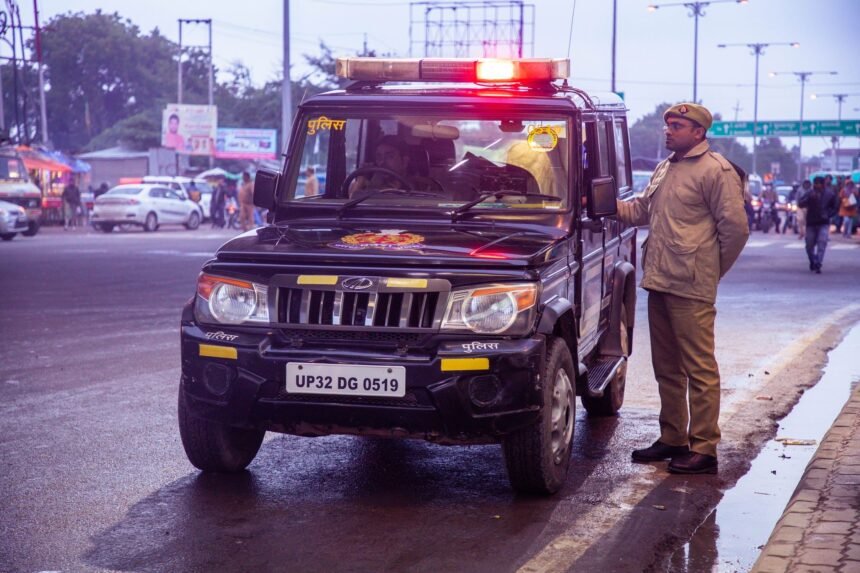
In a recent wave of protests, thousands of students, under the banner of the Cockroach Janta Party, attempted to march to the Indian Parliament on July 20, demanding the resignation of Education Minister Dharmendra Pradhan over the alleged NEET-UG 2026 paper leak. The Delhi Police, citing Section 163 BNSS, restricted assembly in New Delhi, designating Jantar Mantar as the only permissible protest site, and denied permission for a march to Parliament Street. The ensuing clashes reportedly resulted in injuries to over 118 police personnel, with approximately 70 protesters detained. Among those detained was CJP founder Abhijeet Dipke, drawing political condemnation, particularly due to the earlier removal of Sonam Wangchuk from the protest site.
Legal Precedents and Section 163 BNSS
Section 163 BNSS mirrors the preventive logic of Section 144 CrPC, aimed at restricting assembly to prevent public disorder. The Supreme Court has consistently required that any such order be backed by specific, genuine apprehensions, not just generic statements. The case of Ramlila Maidan Incident highlighted that any force used under such orders must be proportionate to the actual threat. The case of Mazdoor Kisan Shakti Sangathan (MKSS) v. Union of India (2018) further criticized the practice of routinely renewing Section 144 orders, equating it to a de facto blanket ban, and mandated guidelines for regulating protests.
Internet Suspension and Legal Challenges
Since July 17, the Union Home Ministry has repeatedly suspended mobile internet near Jantar Mantar, citing public emergency. This action, challenged by the Software Freedom Law Centre before the Delhi High Court, raises questions about compliance with the Anuradha Bhasin standard, which demands specific justifications for such measures.
Geographical and Historical Context of Protest Sites
The history of protest sites in Delhi reveals a pattern of restrictions. The Boat Club near India Gate was restricted after the 1980s, making Jantar Mantar the official protest site from 1993. The 2018 MKSS judgment reopened both Jantar Mantar and the Boat Club, emphasizing that restrictions should be regulatory, not exclusionary.
Legal Implications of the Protests and Police Actions
Section 189 BNS, previously Section 141 IPC, defines unlawful assembly, while Section 190 holds all members liable for any offense committed in pursuit of the assembly’s common object. The courts have stressed the need for a demonstrable shared object among assembly members. The Delhi Police registered multiple FIRs regarding incidents on July 20, and the outcome will hinge on whether each individual’s involvement in any offense can be proven.
More Read
Contested Narratives and Evidentiary Challenges
Claims of injuries sustained during the protest remain disputed. The National Human Rights Commission is investigating allegations of police violence, while Delhi Police have dismissed these claims as misinformation. Furthermore, the Delhi High Court has directed the preservation of evidence, including CCTV footage, to maintain the integrity of the judicial process.
Judicial Responses and Future Implications
The Delhi High Court has taken an active role, issuing notices and ensuring evidence preservation. The court is set to examine the legality of the Section 163 order and the broader implications of the protest restrictions, potentially setting new legal standards for protest rights in India.