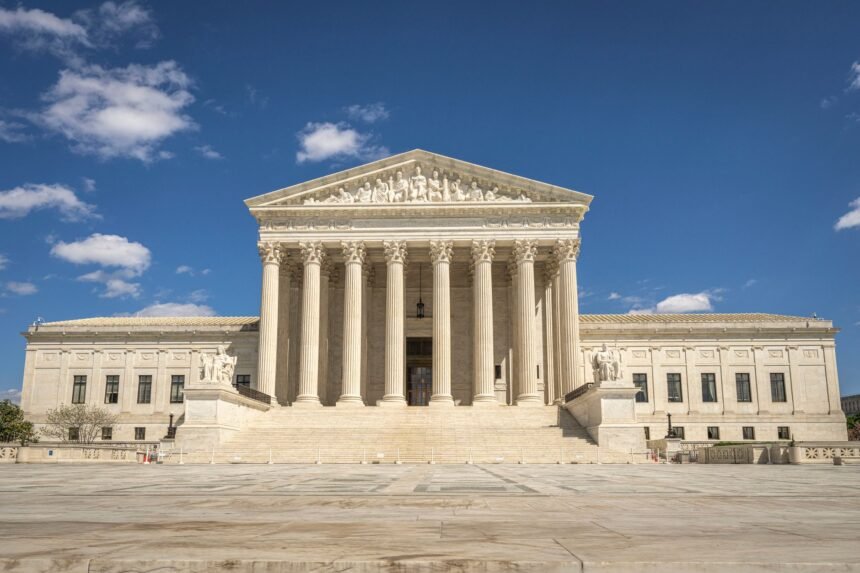
The Supreme Court of India has agreed to review a plea by Aam Aadmi Party (AAP) leader Somnath Bharti contesting the election of Bharatiya Janata Party (BJP) MLA Satish Upadhyay from the Malviya Nagar constituency in the 2025 Delhi assembly elections. This development follows the Delhi High Court’s decision on January 17, affirming Upadhyay’s victory.
On Friday, the case was presented before a bench comprising Justices Vikram Nath and Sandeep Mehta, who have committed to examining the matter further. “We will grant leave and hear it,” the bench expressed, indicating their readiness to delve into the case details.
In the closely contested 2025 assembly elections, Upadhyay emerged victorious over Bharti, a three-time MLA from Malviya Nagar, by approximately 2,100 votes. This defeat brought an end to Bharti’s longstanding representation of the constituency, which he had held since 2013.
Following his electoral defeat, Bharti filed an election petition under the Representation of the People Act, 1951, alleging several election malpractices. Central to his claim was Upadhyay’s supposed failure to disclose a pending criminal complaint or First Information Report (FIR), a requirement that Bharti argues is essential under election law. Bharti contends that this non-disclosure significantly impacted the election’s outcome, rendering Upadhyay’s candidacy invalid.
Bharti’s petition further accuses Upadhyay of employing vehicles to transport voters to polling stations and manipulating the electoral roll. Notably, Bharti alleges that Upadhyay colluded with Congress candidate Jitender Kumar Kochar to orchestrate a campaign aimed at undermining his chances, thereby securing an unfair advantage.
More Read

In response, Upadhyay has denied all allegations, asserting that the claims are baseless. The Delhi High Court, under Justice Jasmeet Singh, dismissed Bharti’s plea on January 17, leading to the current appeal before the Supreme Court.
The legal community and political observers alike are keenly watching as the Supreme Court prepares to hear this significant case, which holds implications for electoral practices and transparency in the democratic process.