The Intriguing Intersection of Law and Superstition
On a warm May night in 1958, within a small Orissan village in Balasore district, a Nepali man named Ram Bahadur Thapa committed an unusual act—he believed he was combating ghosts, but his actions tragically resulted in the death of a village woman. The case, which hinged on the argument that Thapa’s actions were prompted by a genuine mistake of fact due to local superstitions, led to his acquittal under Section 79 of the Indian Penal Code. This historical incident sets the stage for Manini Brar’s novel, The Figure in the Fog: Malti Jakhar Case Files.
A Tale of Mystery and Legal Challenges
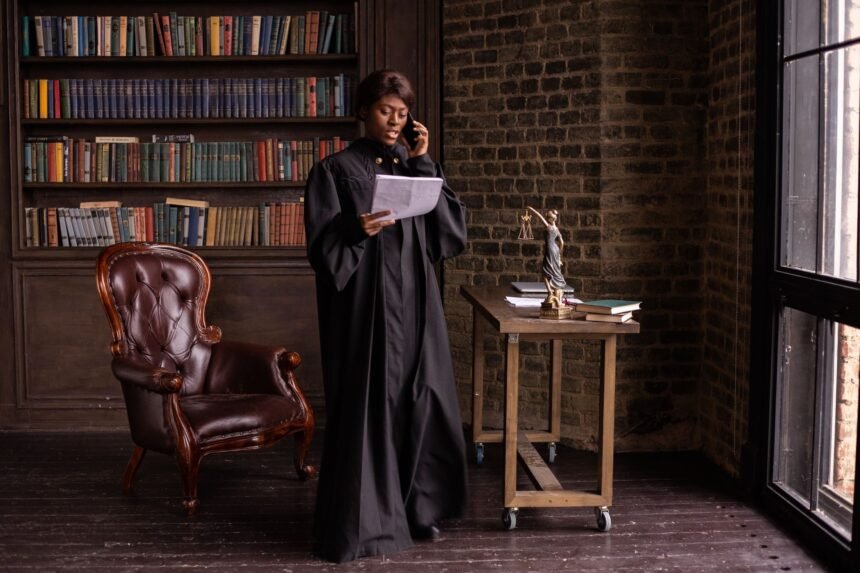
In Brar’s narrative, readers are transported to Pitthoo, a fictional tribal village believed to be haunted by a djinn. The protagonist, Malti Jakhar, is portrayed as a dedicated yet struggling lawyer practicing in the district courts of Delhi. Her practice, assisted by her witty clerk Chandan Pal and a junior named Charu, is depicted with authenticity and humor that resonate with readers familiar with the legal landscape.
The book’s engaging storyline begins with Gola Pitthan, a young tribal man from Pitthoo, who confesses to killing a man he mistook for a djinn during a religious festival. The political and cultural complexities surrounding Gola’s case are explored with depth, as Malti, attempting to defend him, encounters the cultural and linguistic barriers that stand in the way of justice.
Exploring Themes of Justice and Cultural Understanding
Brar’s work delves into the philosophical and legal quandaries when traditional beliefs clash with the legal doctrine of mens rea. Through Malti’s investigation and courtroom arguments, readers are invited to ponder the broader implications of justice, superstitions, and the impact of external influences on tribal communities.
Brar, in a conversation with Bar & Bench’s Giti Pratap, emphasized the importance of these themes, highlighting the need for introspection within the legal community about intentions and outcomes in the pursuit of justice.
More Read

Manini Brar: A Voice for Legal and Social Reflection
Though Brar primarily practices commercial law and arbitration, her insights into human rights and justice permeate her writing, both in her columns for Bar & Bench and in her novel. Her reflections on the nature of justice question whether societal divides prevent us from seeing others as equals, challenging readers to consider the societal conditioning that shapes legal intentions.
Through The Figure in the Fog, Brar encourages readers to engage with complex legal and moral questions, making it a compelling read for anyone interested in the intersection of law, culture, and humanity. The book is available for purchase on Amazon.