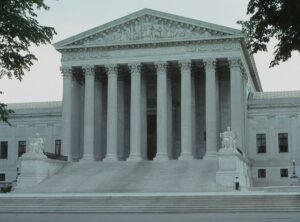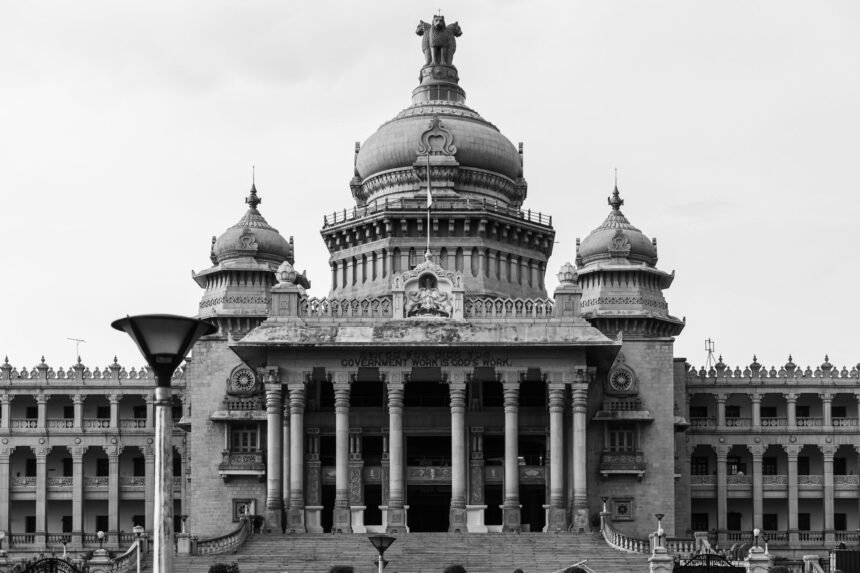
The Supreme Court of India has dismissed the appeal of activist Ravi Nair, who contested a Delhi High Court decision that nullified criminal defamation charges against journalist Nilanjana Bhowmick. The charges were linked to an article published in TIME magazine in 2010, scrutinizing the funding of non-governmental organizations (NGOs). The Supreme Court bench, comprising Justice JB Pardiwala and Justice Vinod Chandran, delivered the ruling on Tuesday, highlighting procedural delays in Nair’s complaint.
During the court proceedings, advocate R Gopal, representing Nair, argued before the Court that the Central Bureau of Investigation (CBI) had conducted an extensive investigation into Nair’s activities concerning foreign exchange regulations starting from 2008. Gopal stated, “It was an issue concerning foreign exchange regulation. Thereafter, they filed a final report.” However, the Court emphasized the need to address the delay in filing the defamation complaint.
Justice Pardiwala questioned Gopal about the timing of the complaint, asking, “Come to paragraph 17 of the High Court judgment. Tell us what the error is. Was the article published in 2010? Now tell us, in which year did you file the complaint?” Gopal admitted that the complaint was filed four years later, in 2014. Consequently, the Court dismissed the appeal due to the limitation period.
The Delhi High Court had previously ruled in November 2025 that the defamation proceedings against Bhowmick be quashed. The judgment concluded that her article, titled ‘Accountability of India’s Nonprofits under Scrutiny,’ did not contain defamatory content against Nair or his organization, the South Asian Human Rights Documentation Centre. Nair had claimed that the article suggested his involvement in money laundering activities. However, the High Court found the article to be factually accurate.
Moreover, the High Court determined that Nair’s defamation complaint was barred by limitation, as the publication of the article occurred in 2010. The Court rejected Nair’s argument that the continuous online availability of the article constituted “continuous publication,” affirming that the limitation period commenced from the date of its first publication.

Dissatisfied with the High Court’s decision, Nair subsequently sought recourse from the Supreme Court, which ultimately upheld the lower court’s ruling.
This conclusion reinforces the legal principle that the presentation of factual information by journalists—when verified and accurate—cannot be considered defamatory. It also underscores the significance of adhering to statutory limitation periods for filing legal complaints.