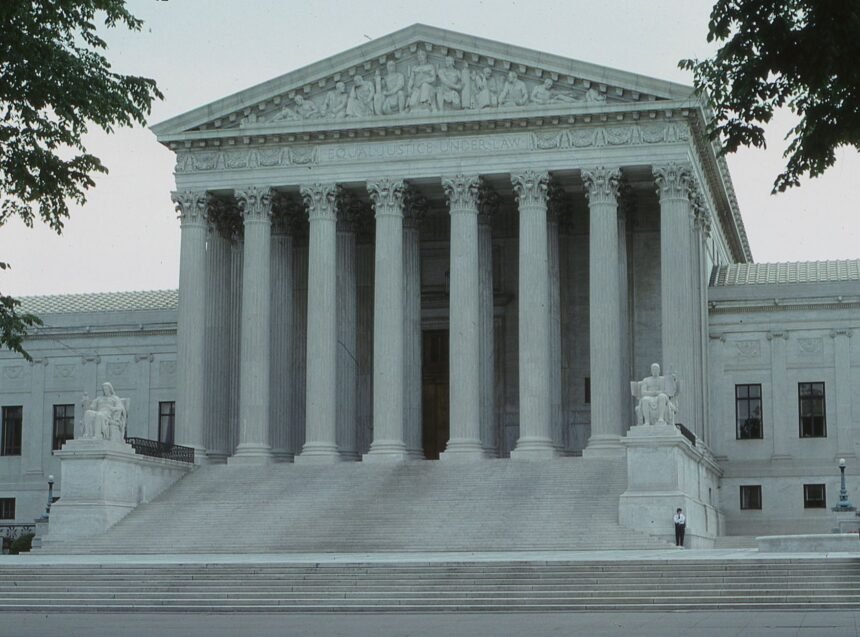
A Delhi court has delivered a verdict against notorious conman Sukesh Chandrasekhar, convicting him of impersonating a Supreme Court judge in an audacious attempt to secure bail. Chief Judicial Magistrate Harshita Mishra of the Tis Hazari Courts ruled Chandrasekhar guilty under multiple sections of the Indian Penal Code, including Section 170 for impersonating a public servant, Section 189 for threatening a public servant, and Section 507 for criminal intimidation through anonymous communication.
The Audacious Scheme
The court described Chandrasekhar’s actions as a theatrical act of manipulation, designed to influence judicial proceedings. In April 2017, while in custody for a corruption case, Chandrasekhar reportedly accessed a mobile phone belonging to Constable Manjeet. He then contacted the official and personal numbers of Special Judge Poonam Chaudhary, falsely introducing himself as the personal secretary to a Supreme Court judge, known only by the initials “KJ”. Another individual, falsely claiming to be the judge, joined the call, purporting to act on behalf of the Union Home Ministry and the Supreme Court Collegium. The fake judge demanded Chandrasekhar’s immediate release on bail, threatening professional repercussions if the judge failed to comply.
Judicial Response and Investigation
The judicial officer, upon receiving such a suspicious call, verified the legitimacy of the communication by contacting the actual private secretary of the Supreme Court judge involved. It was confirmed that no such call had been made, revealing the caller’s identity as fraudulent. The trial court found the judge’s testimony to be consistent and corroborated by call records and evidence showing Chandrasekhar’s access to the constable’s phone.
In its judgment, the court emphasized that judicial orders are issued within courtrooms based on legal records, not through secretive phone calls. Chandrasekhar’s repeated impersonations of authority figures, including a Supreme Court judge, were seen as acts of significant institutional defiance. His reliance on grandiose lies and audacity to subvert the judicial process was thoroughly condemned by the court.
Criticism of Police Investigation
Despite the conviction, the court criticized the Delhi Police for conducting a lackluster investigation, describing it as superficial and apathetic. Key evidence was not collected, including the mobile phone used by Chandrasekhar, CCTV footage, and essential call records. The probe also failed to clarify how Chandrasekhar accessed a secured smartphone while under custody. The court suggested that Constable Manjeet may not have been merely a victim but potentially complicit in granting phone access to Chandrasekhar, though no formal guilt was assigned to him.

The court directed senior police officials to re-examine the constable’s role and consider whether fresh departmental or criminal proceedings were necessary. Despite these investigative shortcomings, the evidence presented was sufficient to establish Chandrasekhar’s guilt beyond a reasonable doubt.
Additional Public Prosecutor Amit Yadav represented the state, while Advocate Praveen Dabas appeared for Chandrasekhar. The ruling underscores the importance of upholding judicial integrity and the risks posed by modern technology in the hands of seasoned fraudsters like Chandrasekhar.