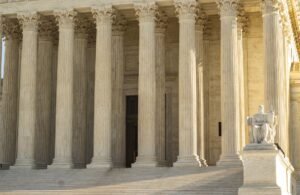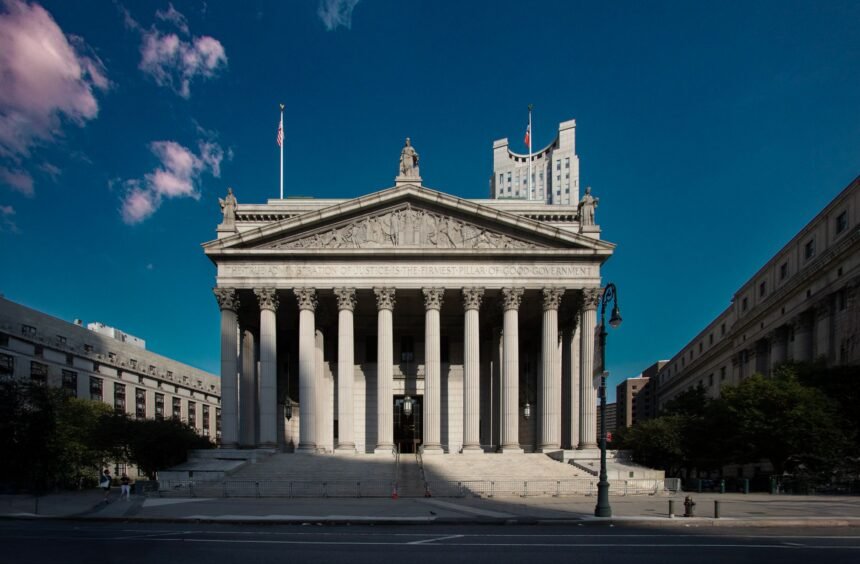
The Supreme Court of India, led by Chief Justice Surya Kant, has declined an urgent hearing request concerning alleged police misconduct during protests by the Cockroach Janta Party (CJP) at Jantar Mantar. This decision was reached during a session on Wednesday, where the court was presented with a petition claiming excessive force was used by police against demonstrators.
Court’s Firm Stance
The petition was brought forward by a lawyer who appealed for the matter to be listed for the following day, emphasizing the availability of video evidence showcasing police brutality. The protests, spearheaded by CJP, a satirical political movement, are primarily against examination paper leaks and demand the resignation of Union Education Minister Dharmendra Pradhan.
In response, CJI Surya Kant firmly stated, “Please don’t waste our time and don’t waste yours. Your time is more valuable than ours.” Despite the lawyer’s insistence on presenting video evidence, CJI Kant reiterated, “We are not interested in videos. We don’t have time to watch.” Joining CJI Kant in the bench were Justice Joymalya Bagchi and Justice V Mohana, both of whom supported the Chief Justice’s decision not to entertain the petition immediately.
Protests and Police Actions
The CJP-led demonstrations, which have drawn participants from various parts of India, aim to pressure the government for accountability in the wake of repeated examination paper leaks. Initially, a march to the Parliament House was planned by the protestors; however, intervention by the Delhi Police led to the use of lathi charges and tear gas to disperse the crowd, resulting in injuries to several protestors.
The movement finds its roots in a Supreme Court proceeding dated May 15, during which CJI Surya Kant made remarks about unemployed youth engaging in social activism, likening them to “cockroaches.” These comments were later clarified by CJI Kant, who stated that he was referring to individuals with fake degrees involved in societal disturbances.
More Read
Legal and Public Reactions
The legal community and public have shown interest in the events at Jantar Mantar and the Supreme Court’s stance on the matter. The refusal for an urgent hearing has sparked discussions about the judiciary’s role in addressing civil rights during public demonstrations. The broader implications of CJI Kant’s remarks during the May 15 proceedings continue to reverberate within legal and activist circles.
As the situation unfolds, the Supreme Court’s decision not to prioritize this hearing underscores the ongoing debate about judicial intervention in protest-related matters.
For more updates on legal news and litigation, follow our coverage.