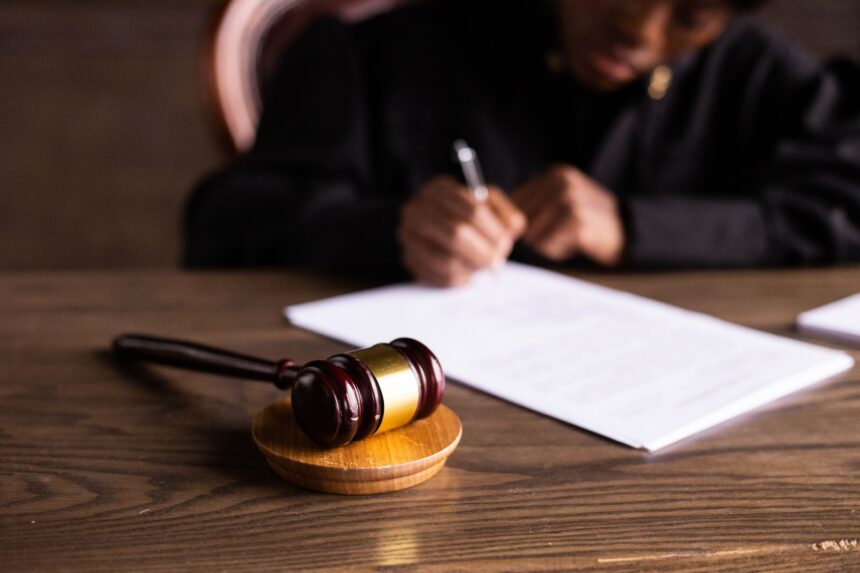
The Rajasthan High Court has issued a significant ruling prohibiting a man accused of uploading a morphed image of a minor from utilizing social media platforms for a duration of three years. This order was passed by Justice Ashok Kumar Jain in the context of granting bail to the accused, who faces charges of voyeurism under Section 77 of the Bharatiya Nyaya Sanhita (BNS).
In the decision dated July 6, Justice Jain articulated that the accused’s misuse of social media warranted such a restriction, intended as a corrective measure. The court emphasized the necessity of this prohibition to impart a lesson, thereby preventing further misuse.
As part of the bail conditions, the court mandated that the accused submit an affidavit or undertaking to the trial court, pledging abstention from social media platforms such as Facebook, Instagram, Threads, and Snapchat for the specified period. The court explicitly warned that any breach of this condition, whether under the accused’s real or a fictitious identity, could lead to the cancellation of the bail by the trial court.
The accused had been detained since April 2, following a case registration on February 12. He maintained his innocence, arguing that he was wrongly implicated. His legal representative, Advocate Vikram Singh Jaitawat, argued for his release on bail, citing his prolonged detention and the unlikelihood of the trial concluding promptly. The defense also expressed willingness to accept social media restrictions if deemed necessary by the court.
After considering the duration of the accused’s custody and the anticipated length of the trial process, the court decided in favor of granting bail. Public Prosecutor Narendra Kumar Gehlot, along with Advocates Om Prakash Choudhary and Awar Dan Ujjwal, represented the state and the complainant in this legal proceeding.

For further details, refer to the official court order.