Supreme Court Initiates Investigation into Alleged Police Excesses
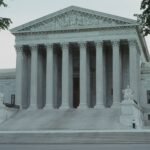
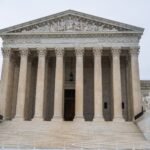
On Thursday, the Supreme Court of India took a significant step by forming a five-member committee to investigate claims of police misconduct against activists of the Cockroach Janta Party (CJP). The committee is led by Justice R Subhash Reddy, a retired judge from the apex court. Other distinguished members include former Chief Justice of the Punjab and Haryana High Court, Ravi Shankar Jha, ex-Delhi High Court Justice Shalinder Kaur, former Central Bureau of Investigation (CBI) Director Rishi Kumar Shukla, and previous Meghalaya Director General of Police LR Bishnoi.
Committee’s Investigation Mandate
The formation of this committee was directed by a bench comprising Chief Justice of India (CJI) Surya Kant, along with Justices Joymalya Bagchi and V Mohana. The committee’s primary mandate is to conduct a fact-finding mission regarding the allegations of police overreach. Moreover, they are tasked with examining claims of sexual assault and online harassment of female protesters, as well as the victimization of vulnerable individuals via social media platforms.
Key Directives for the Committee
In its order, the Supreme Court issued specific directives for the committee:
- Investigate both police excesses and any violent actions by protestors.
- Prioritize allegations of harassment and molestation of female protestors.
- Assess serious injuries inflicted on protestors due to police measures.
- Ensure the preservation of CCTV footage, drone recordings, body camera footage, and PCR call records from the protest events.
- Release detained minors, except those implicated in severe or heinous crimes.
- Protect the personal data of protestors and bar any public disclosure of such data.
Independent Investigations and Constitutional Questions
The Court clarified that police officers could face departmental actions independent of the committee’s findings. Additionally, broader constitutional issues concerning the protests will be addressed separately by the Court.
Context of the Protests and Legal Proceedings
This order came in response to multiple petitions related to police brutality during protests at Jantar Mantar, in Bihar, and other regions across India. The protests were initially sparked by allegations of repeated exam paper leaks for NEET and other examinations, leading to a call for the resignation of Union Education Minister Dharmendra Pradhan. Following sustained public pressure and a hunger strike by climate activist Sonam Wangchuk, who joined the protest and was later hospitalized, Pradhan resigned on July 25, and the protests subsided.

Police Actions and Legal Challenges
During the protests, police and the Rapid Action Force (RAF) employed measures like lathi charges, teargas, and even pellet guns to quell the ‘Sansad Chalo’ march to Parliament on July 20. Similar unrest and police responses were observed in Bihar, with reports of a police officer using an AK-47 rifle against protestors. These events culminated in a series of petitions being filed before the Supreme Court.