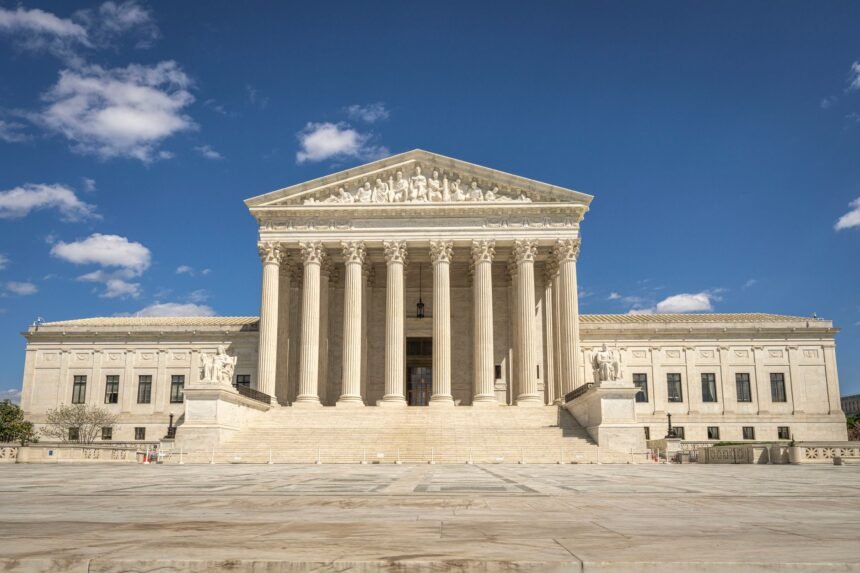
Supreme Court Allows TMC MP to Seek Medical Treatment Overseas
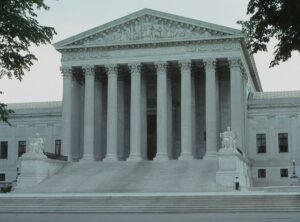
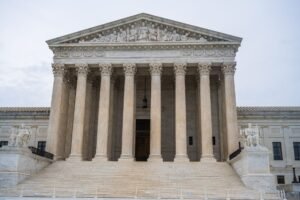
The Supreme Court of India has permitted Trinamool Congress (TMC) MP Abhishek Banerjee to travel abroad for specialized eye treatment. This decision was rendered by a Bench comprising Chief Justice of India (CJI) Surya Kant, along with Justices Joymalya Bagchi and V Mohana. The ruling comes in response to Banerjee’s appeal against a prior decision by the Calcutta High Court that denied him such travel permissions.
The Supreme Court emphasized the fundamental rights of individuals to travel internationally and choose their preferred medical care. The Court’s decision allows Banerjee a three-week period in September to seek treatment, contingent on the use of his diplomatic passport. The Court stated, “The applicant is permitted to travel abroad for a period of three weeks in September. The applicant shall travel on his diplomatic passport, as it is stated he possesses no other passport.”
As part of the conditions set by the Court, Banerjee is required to provide a detailed itinerary of his travel, including his residence abroad, the medical facility and doctors involved, the duration of his stay, and travel arrangements. The Court assured that these details would remain confidential and solely for agency use.
Legal Arguments and Context
Banerjee’s representation, Senior Advocate Gopal Sankaranarayanan, offered to surrender his personal passport to authorities, emphasizing the transparency that a diplomatic passport affords with global embassies. He stated, “I have two passports. One is a diplomatic passport, and I will deposit my personal passport. The diplomatic passport allows embassies to keep track of me.”
Opposing the plea, Additional Solicitor General SV Raju, representing the State of West Bengal, argued that Banerjee, facing 15 legal cases, posed a flight risk. Sankaranarayanan countered, noting that all charges were filed post-May 4, following TMC’s electoral defeat, and emphasized Banerjee’s political standing and influence, suggesting the cases were politically motivated.

Justice Bagchi humorously remarked on the potential for additional legal actions, “Let him travel abroad. You have so many cases. I am sure you will find something else, and then another FIR can be filed,” highlighting the continuing legal tussle surrounding Banerjee.
Conclusion
This decision underscores the judiciary’s role in balancing individual rights against state concerns. Banerjee’s case continues to unfold, with the Supreme Court’s allowance for travel marking a significant moment in the ongoing legal proceedings.