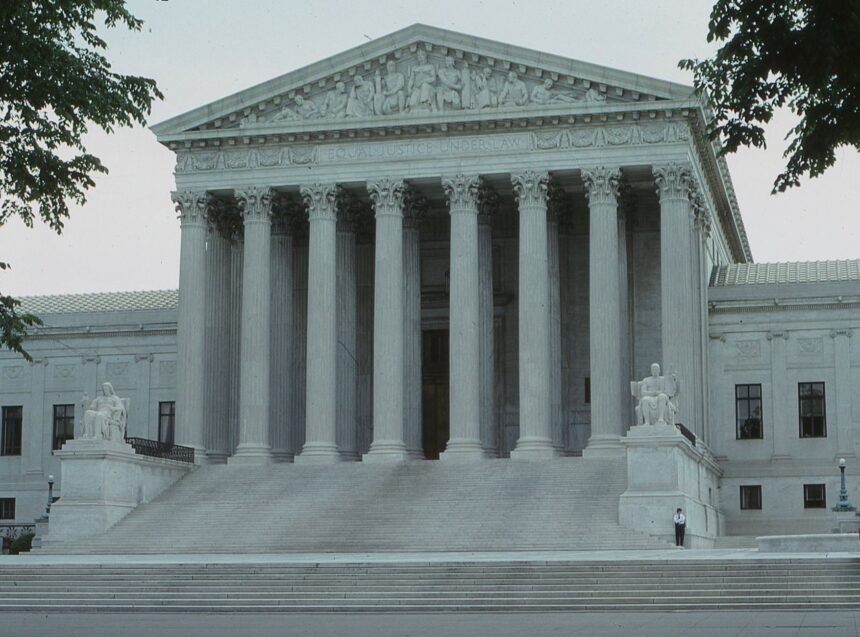
Supreme Court Quashes POCSO Case Against Teacher
The Supreme Court of India has nullified charges under the Protection of Children from Sexual Offences Act, 2012 (POCSO Act) against a school teacher accused of inappropriately disciplining minor female students. The decision was delivered in the case Bhaskar Paul v. State of West Bengal on September 8 by a bench comprising Justices Ujjal Bhuyan and Atul S Chandurkar. The judges determined that the teacher’s actions lacked the sexual intent required to classify them as sexual assault under the POCSO Act.
Corporal Punishment Misinterpreted
The Court recognized that while the teacher’s use of corporal punishment was unsuitable, it did not equate to aggravated sexual assault, which would warrant prosecution under the POCSO Act. The verdict underscored the potential irreversible consequences that a POCSO prosecution can have on an educator’s personal and professional life, even if they are eventually acquitted.
Judicial Insights on the Case
The Court noted, “For a teacher working in a girls’ school or co-educational setting, facing such allegations could effectively end their career and tarnish their life. Ultimate acquittal may not compensate for the damage caused by the criminal trial’s severity under the POCSO Act.” The judges emphasized the need for teachers to be more sensitive when interacting with young students, especially girls, but clarified that such behavior does not justify stringent legal action under the POCSO Act.
Background and Legal Proceedings
The allegations originated from complaints against Bhaskar Paul, a geography teacher, regarding his conduct towards female students. An investigation by the District Child Protection Unit in Alipurduar reported that Paul had allegedly made the students uncomfortable by rubbing their backs and pinching their waists. These allegations led to the registration of a First Information Report (FIR) under Section 10 of the POCSO Act by Samuktala Police Station, and the case was subsequently brought before the Special Court in Alipurduar.
Supreme Court’s Analysis
Upon reviewing the students’ testimonies, the Supreme Court found that while they described corporal punishment, they did not indicate sexual assault. The Court also expressed concerns about delays in filing the FIR and noted that those who initiated the complaints, including the headmaster and female teachers, had not directly witnessed the incidents.
More Read

Conclusion and Implications
Concluding that the continuation of the case would amount to a legal abuse and would unfairly prejudice Paul, the Supreme Court set aside the Calcutta High Court’s decision and quashed the proceedings pending in the Alipurduar Special Court. The petitioners were represented by advocates Arjun Chowdhary, Uday Sanakr Sarkar, Junaid Ali Khan, Ahmed Nabeel Rizvi, Suneet Singh, Abdul Mannan, Yasser Wali, and Irshad Ahmad, while the respondent was represented by advocate Nishant Awana.
[Read Order]