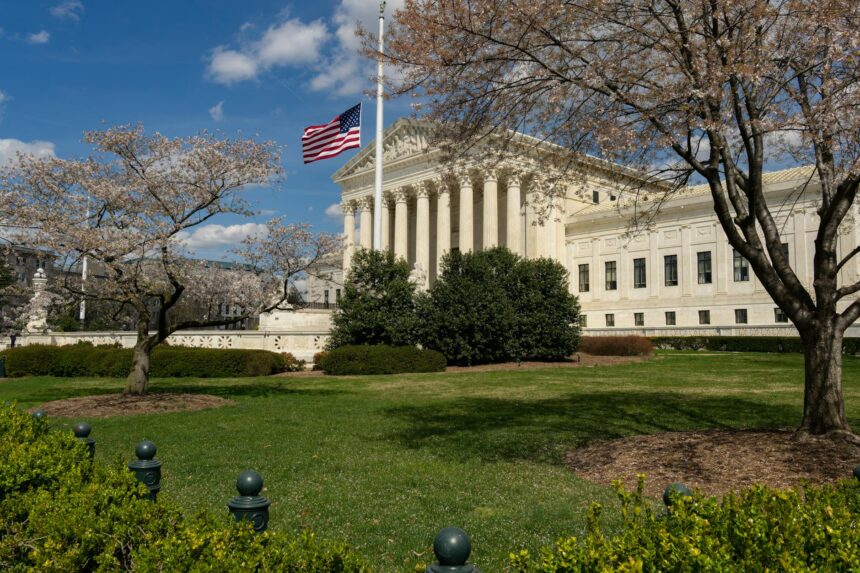
Introduction to Prof. Tom Ginsburg
Professor Tom Ginsburg, the Leo Spitz Professor of International Law at the University of Chicago, delves into the intricacies of comparative and international law. As the founding Faculty Director of the University of Chicago Forum on Free Inquiry and Expression, Ginsburg offers a profound understanding of how courts and constitutions operate within modern democracies.
Institutional Challenges for the Indian Supreme Court
In a candid conversation with Pallavi Saluja from Bar & Bench, Prof. Ginsburg discusses the institutional reforms needed for the Supreme Court of India. He points out the lack of data availability, making it challenging for scholars to study the Court effectively. This gap is filled by non-governmental organizations and external scholars, contrasting with the more transparent systems in countries like China.
Ginsburg highlights the short tenure of India’s Chief Justice as a hindrance to institutional reform, suggesting the formation of a judicial committee to strategize long-term improvements. He emphasizes the importance of sustained attention to institutional betterment rather than advocating for a specific alternative system.
The Collegium System and Judicial Independence
Regarding judicial appointments, Ginsburg acknowledges the complexity of achieving a balance between independence and accountability. He discusses the global trend towards Judicial Appointments Commissions but notes their instability. While not perfect, he suggests that India’s Collegium system might still be the best option available, despite its inherent self-appointing nature providing independence from governmental influence.
Retirement Age of Judges
On the topic of extending the retirement age of judges in India, Ginsburg argues for raising the age to 70. He believes the current age limit does not reflect contemporary life expectancies and suggests that judges often retire at their professional peak.
More Read

Comparative Democratic Trends
Prof. Ginsburg reflects on democratic shifts in India and the U.S., noting both countries’ experiences with charismatic populist leaders. He observes a trend towards minoritarian governance in the U.S., while India sees dominant party rule. Both nations face criticism for their Supreme Courts not adequately resisting executive overreach.
The Erosion of Democracy
Ginsburg warns of the gradual erosion of democracy, which often occurs through subtle, incremental changes. He cites Turkey and Venezuela as cases where democracy slowly faded, emphasizing the importance of public awareness and collective action to protect democratic norms.
Challenges in the Legal Sphere
The professor discusses the pressures on judicial independence, free speech, and election integrity in the U.S. He criticizes the quality of judicial appointments and the erosion of free speech, attributing these issues to political interference and societal divisions.
More Read

Legal Education and Technological Advancements
On the educational front, Ginsburg highlights the need for law schools to adapt to technological advancements, such as artificial intelligence. He underscores the importance of teaching students to leverage AI responsibly, predicting a shift in legal job dynamics as technology evolves.