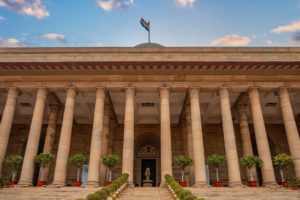
The Supreme Court of India is set to deliberate on the feasibility of establishing a protocol to ensure that urgent cases, particularly those threatening life and liberty, can be heard beyond the usual court hours. This consideration comes in response to a Public Interest Litigation (PIL) filed by Advocate Maheravish Rein, marked as Maheravish Rein v. Union of India.
A bench comprising Chief Justice Surya Kant and Justices Joymalya Bagchi and V Mohana has issued notices to High Courts, seeking their input on the potential development of a Standard Operating Procedure (SOP) to address this pressing issue. The primary aim is to create a systemic solution that enables citizens to seek constitutional remedies in situations like late-night arrests, early-morning demolitions, or weekend deportations without having to wait for regular court hours.
Rein’s plea underscores the limitations of the current judicial framework, which restricts access to justice to designated working hours, specific days, and limited vacation benches. This often leaves citizens vulnerable to rights violations without immediate legal recourse during nights, weekends, public holidays, and court recesses. The plea advocates for the establishment of Emergency Constitutional Benches or designated duty judges, which could be accessed through digital platforms to handle such emergencies.
Appearing in person before the Court, Rein highlighted the cumbersome procedural delays inherent in the current system, which pose significant challenges during urgent situations. She emphasized the procedural burdens that litigants face, noting, “If I file something after 6 PM for a very urgent thing, then next morning my clerk is before the registry telling them how important it is. Think about the litigant… I am on life and liberty cases.”
While the Chief Justice recognized the importance of the plea, he also pointed out the logistical challenges faced by the court’s registry, noting the frequent submission of vague and incomplete petitions, which burden the system.
More Read

The bench expressed its openness to considering a systemic solution while also voicing concerns about potential misuse of round-the-clock court availability. Solicitor General Tushar Mehta highlighted the difficulty in determining which cases should be prioritized for urgent hearings beyond standard hours, suggesting this issue might be better managed administratively. “If tomorrow, I file a plea at 11 PM, about a 9 AM COC next morning – then how can bench hear it at midnight? Then also, it is difficult to bifurcate the urgency. This can be handled on the administrative side,” Mehta stated.
Chief Justice Kant responded, “Yes, it can be misused also. This should only be for matters of life and liberty,” thus emphasizing the critical nature of such cases and the need for a careful approach to prevent misuse. The Court has issued a notice in this matter, indicating its willingness to explore viable solutions while remaining vigilant about potential abuses.