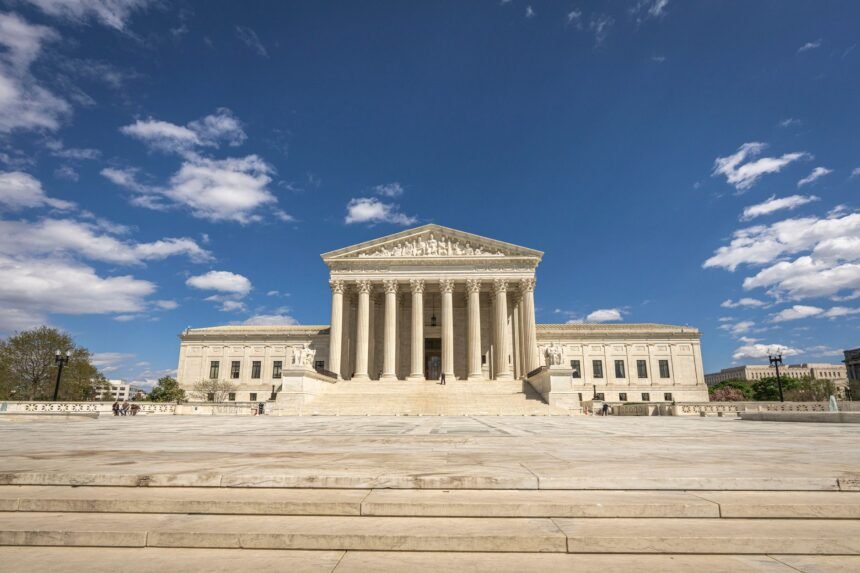
The Supreme Court of India has agreed to hear a petition challenging certain provisions of the Right of Children to Free and Compulsory Education Act, 2009 (RTE Act), particularly in relation to minority schools, madrasas, vedic pathshalas, and institutions that primarily offer religious instruction. This case, Pyare Ziya Khan v. Union of India, was presented before a bench comprising Justices Dipankar Datta and Sheel Nagu.
Background and Legal Context
The petitioner, Pyare Zia Khan, who serves as the Chairman of the Maharashtra State Minority Commission, has raised concerns about Sections 1(4) and 1(5) of the RTE Act. These sections are purported to violate Articles 14, 15, 21, and 21A of the Indian Constitution. Section 1(4) stipulates that the RTE Act applies subject to the provisions of Articles 29 and 30, which safeguard the cultural and educational rights of minorities. Moreover, Section 1(5) excludes madrasas, vedic pathshalas, and other institutions primarily providing religious instruction from the Act’s purview.
Legal Challenges and Arguments
The petition argues that these provisions create unjustified distinctions between children based on the type of institution they attend, which undermines the RTE Act’s goal of universal and quality elementary education. Additionally, Khan’s plea highlights that the Act fails to define the term “primarily imparting religious instruction,” leaving no criteria or authority to determine if an institution qualifies for exemption.
Khan asserts that imposing minimum qualifications for teachers would not infringe on the rights of minorities to establish and administer educational institutions. These institutions could still select teachers from candidates meeting the prescribed standards, thus maintaining their autonomy.
Case Connections and Judicial Considerations
The Supreme Court has decided to hear this petition alongside a related case concerning the application of the RTE Act and the Teacher Eligibility Test (TET) to minority educational institutions. This decision follows the Supreme Court’s ruling in the Anjuman Ishaat-e-Taleem Trust v. State of Maharashtra case, which questioned the 2014 judgment in Pramati Educational and Cultural Trust v. Union of India. The Pramati decision had exempted minority schools from the RTE Act, asserting it conflicted with their rights under Article 30(1).

However, the bench in the Anjuman case expressed skepticism about the blanket exemption for minority institutions, noting that while the admission obligations might interfere with minority rights, other protections and standards could still apply. This prompted the request to refer the matter to a larger bench, as serious doubts were raised about the 2014 ruling.
Senior Advocate Firdos Mirza and Advocate Shakul Rajesh Ghatole represented Pyare Zia Khan in this significant legal matter. The Supreme Court’s forthcoming examination of these issues may have profound implications for the educational landscape in India.