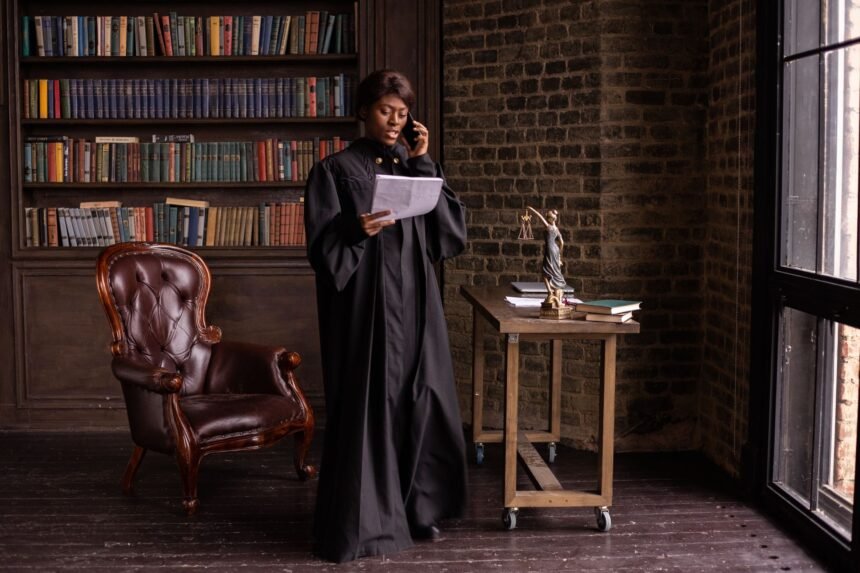
In a landmark move for gender representation, the Advocates’ Association of Western India (AAWI), the oldest registered Bar body in India, has voluntarily reserved its top leadership position for women advocates. This historic decision, announced on August 20th, marks a significant step forward in promoting gender equality within the legal fraternity. The resolution was swiftly adopted following a formal proposal by Senior Advocate Anil Sakhare to AAWI President Prashant Relekar, citing Supreme Court precedents in Deeksha N Amruthesh and SCBA v. BD Kaushik as a basis for the initiative.
Senior Advocate Anil Sakhare, in a letter dated July 16, suggested implementing a rotational reservation policy for the post of President to ensure gender parity. He recommended that the presidency be alternated every two years, with specific terms reserved for women. The AAWI leadership responded promptly, choosing not to defer the proposal but rather to act decisively on it.
Senior Advocate Deepa Chawan reflected on the progress made from the days when women had to fight for basic amenities like washrooms in Bar rooms. “For a generation of women who entered Bar rooms lacking basic infrastructure, we went to the moon on August 20,” she stated, highlighting the transformative nature of the decision.
On July 21, 2026, a nine-member special constitutional committee was established under the leadership of Relekar. The committee, including Senior Advocates such as Neeta Karnik, balanced pragmatic considerations with the need for gender equality. Karnik explained that while they initially considered alternating terms, a 30% reservation approach was deemed more feasible, leading to the decision to reserve every third term for a female President.
Karnik also pointed out the importance of inclusive language in the committee’s work. “The draft originally mentioned reserving the third term for a female and the remaining terms for a ‘male.’ We had to ensure it stated ‘general’ or ‘open’ to accommodate future candidates, including LGBTQ+ members,” she said, emphasizing the forward-thinking nature of the policy.

The committee, which also included Senior Advocates Rajiv Patil, Sanjeev Gorwadkar, Atul Damle, Anita Agarwal, and Surel Shah, along with advocates Uday Warunjikar and Anita Castellino, worked diligently to draft a comprehensive policy. Warunjikar prepared the initial draft, which Chawan refined, addressing legal nuances such as ‘isolated posts’ where reservations are often debated.
Proposals from members varied, including suggestions for a 100% one-time quota and a 30% ongoing quota. Some members also advocated for reserving the Treasurer’s post for women or lowering eligibility criteria to encourage younger members to participate. Ultimately, the committee recommended reserving the President’s post every third term and increasing female representation on the executive committee to four out of nine members.
The general body rapidly approved the report, ensuring the immediate implementation of a female-reserved presidency in the next term. Addressing concerns about potential operational challenges, such as attending late-night events, senior women lawyers asserted their capabilities. “Women in Mumbai manage their careers and travel safely at night; they can easily handle events,” Karnik remarked, underscoring the capability and readiness of female leadership.
More Read
AAWI President Prashant Relekar lauded the association’s maturity in adopting this policy. “Times have changed, equal opportunity must prevail. The decision is binding on all of us, and we respect it wholeheartedly,” he affirmed, marking a new era for the AAWI.