Supreme Court Reviews Case of Disqualified Former Mumbai Mayor
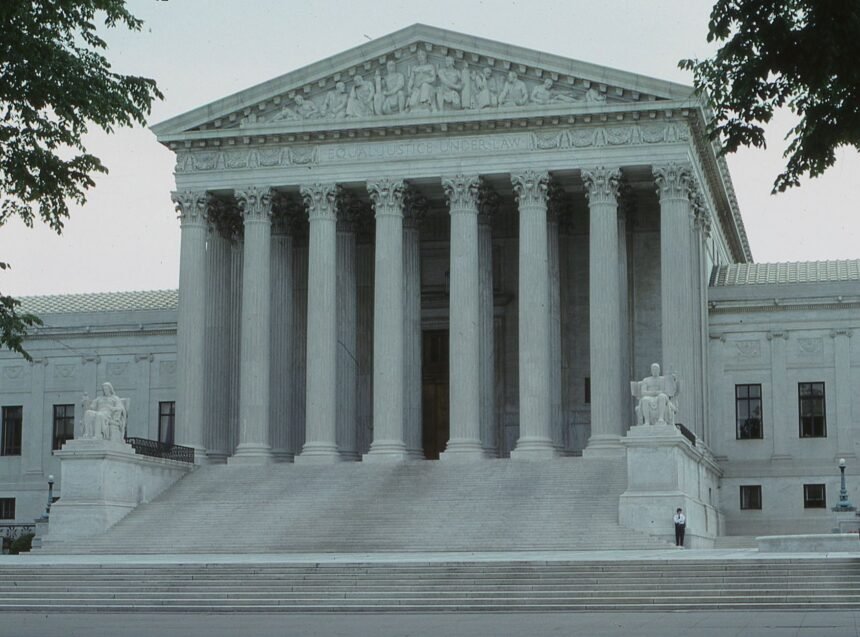
The Supreme Court of India has initiated proceedings in response to an appeal from Vishakha Raut, ex-Mayor of Mumbai and a member of the Shiv Sena (UBT), who contests her disqualification as a councillor of the Brihanmumbai Municipal Corporation (BMC). This follows the annulment of her Other Backward Class (OBC) caste certificate. The case is titled Vishakha Sharad Raut v. State of Maharashtra & Ors.
Presiding over the case, Justices Vikram Nath and Sandeep Mehta issued a directive to prevent the vacancy left in Ward No. 191 (Dadar West-Shivaji Park) from being filled while Raut’s appeal concerning her caste certificate’s validity is under review by an appellate authority. The Court emphasized that the appeal should be adjudicated without bias from prior decisions.
High Court’s Decision and the Resulting Appeal
The legal dispute originated from a decision by the Palghar District Caste Scrutiny Committee, which on August 20, 2026, nullified Raut’s ‘Kunbi’ OBC caste certificate. Consequently, the Municipal Commissioner declared her election null from Ward 191 and recommended her disqualification from elections for six years to the State government.
Raut’s challenge to the Bombay High Court’s September 2 judgment, which confirmed her automatic disqualification under Section 16(1C)(a) of the Mumbai Municipal Corporation Act, 1888, forms the basis of her appeal to the Supreme Court. The High Court had ruled that an invalid caste certificate leads to retroactive disqualification, regardless of ongoing appeals.
Arguments Presented at the Supreme Court
Senior Advocate Indira Jaising, representing Raut, argued for a stay on the High Court’s decision. Jaising also requested that Raut’s political rival, Shiv Sena’s Priya Sarvankar Gurav, be restrained from assuming the vacant seat until Raut’s appeal is resolved. Jaising asserted, “Let the proceedings in appeal be stayed. My opponent wants to enter the chair and sit over there. That cannot be allowed. It has to be kept vacant… Her effort is to get into my seat before the decision on my appeal.”

In response, the Supreme Court instructed the Divisional Commissioner, Konkan Division, to expedite Raut’s pending statutory appeal and make a decision based solely on its merits. Senior Advocate K Parameshwar appeared on behalf of the respondents in the case.
Next Steps in the Legal Process
The Supreme Court’s current order ensures that the contested councillor seat remains unoccupied until a final decision is made on Raut’s appeal. This case underscores the complexities of electoral disqualification proceedings linked to caste certification issues in India.
The legal community and public are closely monitoring the proceedings, given the case’s implications for the political landscape in Mumbai and caste-related legal interpretations.