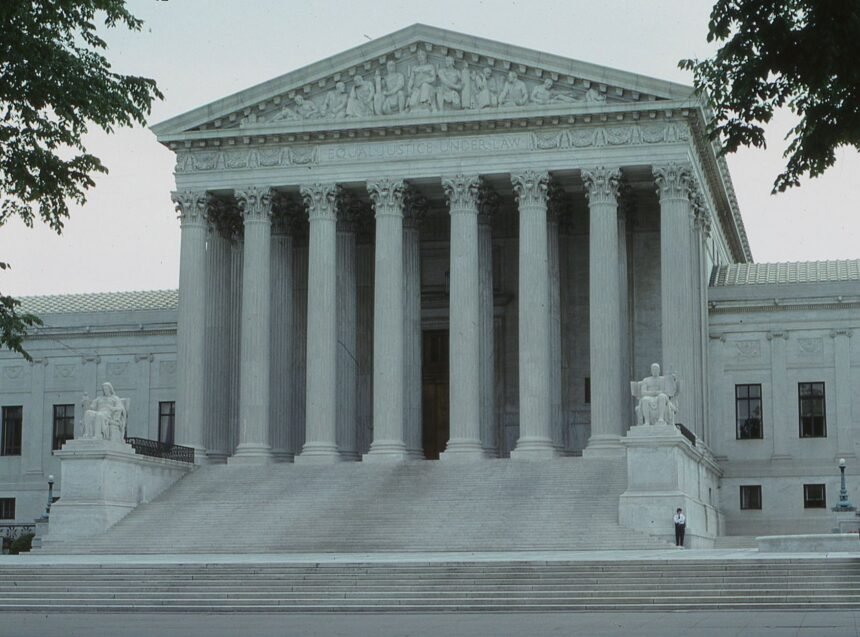
Supreme Court Sanctions Divorce for Omar Abdullah
The Supreme Court of India, on Friday, confirmed that the divorce dispute between former Jammu and Kashmir Chief Minister Omar Abdullah and his estranged wife, Payal Abdullah, has been amicably resolved through mediation. The matter was presided over by a Bench comprising Justice PS Narasimha and Justice Alok Aradhe. Senior Advocate Kapil Sibal, representing Omar Abdullah, informed the Court of the mutual resolution.
During the hearing, Sibal stated, “Both of them have embraced freedom. It’s all settled. Lordships may grant divorce. All other matters will be withdrawn.” The Bench acknowledged the submission, with Justice Narasimha commenting, “That’s good. We will dispose it of on those terms.”
Background of the Legal Case
Omar Abdullah and Payal Abdullah entered into matrimony in September 1994. However, their relationship has been strained, leading to their separation. Initially, Omar Abdullah’s plea for divorce was denied by a family court on August 30, 2016. The court ruled against him, stating that he failed to demonstrate that the marriage had irretrievably broken down. Furthermore, the court noted that Omar could not substantiate claims of “cruelty” or “desertion” and failed to provide any compelling reason that made continuing the relationship untenable.
Following this decision, Omar Abdullah filed an appeal with the Delhi High Court. The High Court’s rejection of the divorce plea led him to seek intervention from the Supreme Court.
More Read

Supreme Court’s Intervention Under Article 142
Omar Abdullah appealed to the Supreme Court, invoking Article 142 of the Indian Constitution, which grants the Court the authority to pass any order necessary to ensure complete justice in a case. This provision has been previously employed by the Supreme Court to dissolve marriages deemed irretrievable.
In August 2024, the Supreme Court recommended mediation after both parties expressed willingness to reach an amicable settlement. The Court then postponed further hearings pending the mediator’s report.
More Read

The resolution of this high-profile divorce case underscores the efficacy of mediation in complex legal disputes, particularly in cases involving high-profile individuals. The Supreme Court’s decision aligns with its past judgments where it has effectively utilized Article 142 to facilitate justice in irretrievably broken marriages.