Supreme Court to Address Constitutional Challenge Over Delhi Metro Closures
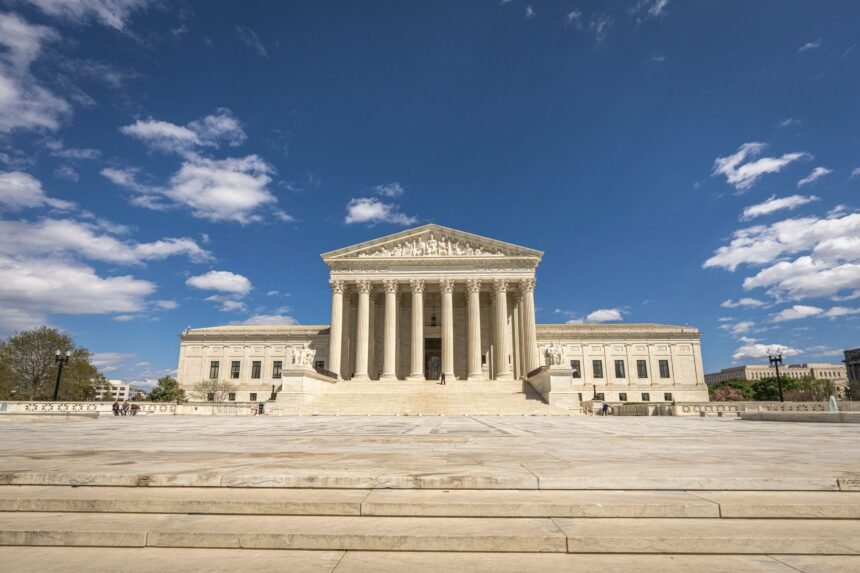
The Supreme Court of India is set to deliberate on a plea contesting the closure of 17 metro stations in Delhi during the Cockroach Janata Party (CJP) student protests that took place in July. This legal action, titled Sparsh Kant Nayak v. Union of India and Ors, raises significant constitutional questions about the limits of executive authority in restricting access to public utilities without formal statutory backing.
A bench comprising Chief Justice of India (CJI) Surya Kant and Justices Joymalya Bagchi and V Mohana is overseeing the case. During the proceedings, the bench sought clarifications from the Central government, Delhi Police, Delhi Metro Rail Corporation (DMRC), and the Delhi government regarding the legal justifications for the station closures.
Legal Scrutiny of Executive Decisions
Justice Joymalya Bagchi highlighted that while courts typically defer to executive decisions on matters of law and order, judicial intervention becomes necessary when the exercise of discretion appears disproportionate. “The concept of a Standard Operating Procedure (SOP) is actually a mirage. When it concerns law and order, courts defer to the executive authority. However, it is only when discretion is exercised disproportionately that judicial scrutiny is warranted,” Justice Bagchi remarked.
The DMRC had earlier attributed the closures to security measures, announcing these through updates on social media platform X. On July 20, stations including Janpath, Rajiv Chowk, and Patel Chowk were closed, with further closures on July 22 affecting additional stations such as Lok Kalyan Marg and Supreme Court.
Constitutional Rights and Public Access
During the hearing, the petitioner’s counsel argued that the closures lacked statutory authority and formal orders, potentially infringing on the constitutional rights of the public. “This issue pertains to the constitutional rights of the public at large and the standards governing the shutdown of a public utility,” the counsel argued. He further contended that the closures did not meet the tests of proportionality and least invasiveness.
More Read
The Court questioned whether such measures might still fall under the State’s law-and-order powers, but the counsel asserted that while police can regulate protests, they cannot mandate the closure of public utilities without a legal framework or SOP.
Next Steps in the Legal Process
After considering all submissions, the Supreme Court issued notices to the Union of India and other concerned authorities, seeking their responses to the plea. This case underscores the ongoing dialogue between executive actions and judicial oversight, especially concerning public access and constitutional rights.
For live updates and further developments on this case, continue following our coverage.