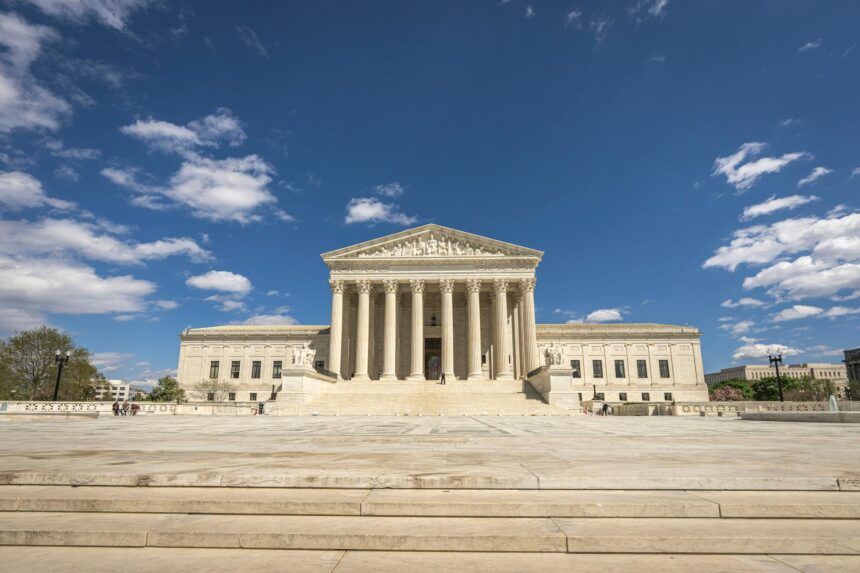
Following the Supreme Court’s decision on May 19 regarding stray dogs, widespread confusion has arisen about whether authorities are now permitted to indiscriminately capture, relocate, or even euthanize stray dogs. This confusion was further fueled by Punjab Chief Minister Bhagwant Mann’s announcement of a campaign to ‘eliminate’ dangerous stray dogs, which he attributed to the Supreme Court’s ruling. However, a detailed examination of the 131-page judgment reveals that the Court did not grant unfettered authority to randomly capture or kill stray dogs. Instead, the Court emphasized actions tied to statutory safeguards, requiring veterinary assessments and adherence to the Prevention of Cruelty to Animals Act and the Animal Birth Control Rules.
When the Supreme Court was approached on May 25 with a plea contesting Mann’s statement, it declined to entertain the plea, directing the petitioner to the Punjab and Haryana High Court. The Bench stated, ‘Go to the Punjab High Court. If the CM makes a statement, do we change our order? Strict compliance of the order is to be done by the High Courts.’
What Has the Supreme Court Permitted?
The judgment does not allow for the indiscriminate removal of stray dogs from public areas or residential neighborhoods. The Court’s directives from November 2025, now upheld, specifically pertain to institutional areas such as schools, hospitals, railway stations, sports complexes, and highways, where controlled conditions for public safety must be maintained. The Animal Birth Control Rules remain central to managing stray dogs, emphasizing sterilization, vaccination, and scientific population control. The Court’s directions are a ‘purposive and harmonious interpretation’ of the existing statutory framework, not a repeal of the ABC Rules.
When Is Euthanasia Allowed?
The Court permits euthanasia only under narrowly defined conditions and with legal safeguards. In areas where stray dog populations pose a significant threat due to frequent aggressive incidents, authorities may consider euthanasia, but only after a thorough assessment by veterinary experts and in compliance with the Prevention of Cruelty to Animals Act, 1960, and the Animal Birth Control Rules, 2023. The judgment specifies that only rabid, incurably ill, or demonstrably dangerous/aggressive dogs may be euthanized, and this must involve a veterinary assessment and statutory compliance.
Can Private Entities Remove Dogs?
Absolutely not. The judgment specifies that only ‘competent authorities’ acting within the statutory framework may undertake actions regarding stray dogs. The ruling does not permit vigilante actions, private violence, or unauthorized dog relocation. Acts of cruelty remain punishable under existing laws, including the Prevention of Cruelty to Animals Act. The Court does not authorize poisoning, beating, illegal relocation, or indiscriminate killing of stray dogs.
More Read

What If Authorities Misuse the Judgment?
While the Court offers protection to officials implementing its directions, this is conditional on actions being in good faith. The Bench clarified that criminal proceedings could be initiated where there is prima facie evidence of mala fide conduct or abuse of power. Thus, officials cannot arbitrarily capture or kill dogs and then claim protection under the Supreme Court judgment. If evidence shows malicious intent or statutory violations, criminal proceedings may ensue. Protection applies only to bona fide implementation of the Court’s directions within the law.
What Can Citizens Do If They Witness Cruelty?
The Supreme Court’s judgment does not eliminate existing remedies under animal cruelty laws. Citizens witnessing illegal killing, poisoning, beating, unauthorized relocation, or cruelty against stray dogs can approach local police, move jurisdictional High Courts, contact Animal Welfare Boards, or seek action under the Prevention of Cruelty to Animals Act and related laws. The Supreme Court has directed all High Courts to initiate suo motu proceedings to monitor the implementation of its directions, ensuring compliance with sterilization, vaccination, relocation, and management of stray dog populations. Chief Secretaries of States and Union Territories must file compliance reports by August 7, and the Union government must provide implementation details to the High Courts. The Supreme Court retains supervisory authority with a review set for November 17.
In conclusion, the Supreme Court’s judgment does not authorize indiscriminate actions against stray dogs but places greater responsibility on governments and local authorities for lawful, scientific management. Animal cruelty and unlawful actions remain punishable. The judgment’s real test will be whether authorities can implement it lawfully and within the prescribed limits.