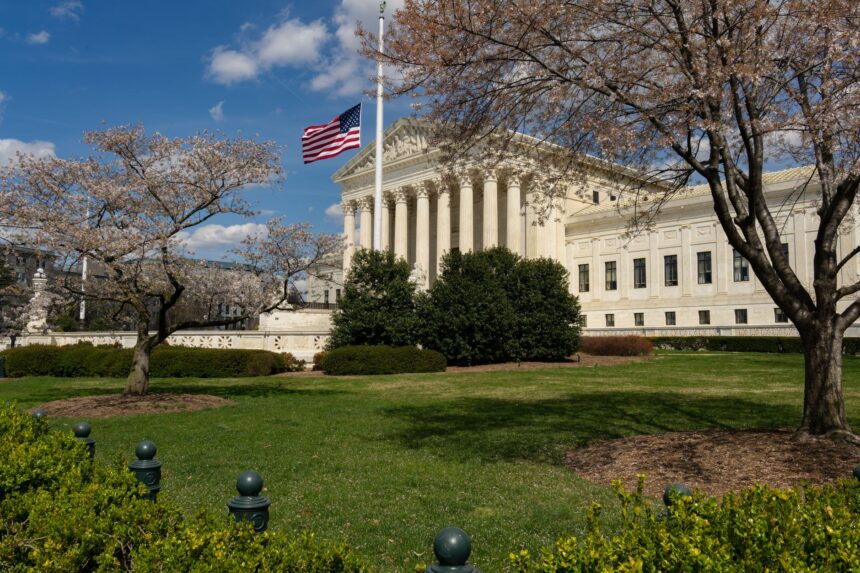
The Supreme Court of India has recently upheld the legality of the Special Intensive Revision (SIR) in the case of Association for Democratic Reforms v. Election Commission of India [2026]. This ruling places the SIR within the framework of Article 324 of the Constitution and Section 21(3) of the Representation of the People Act, 1950 (RP Act). The Court has emphasized the importance of safeguards in electoral law, such as the ability to file claims if an individual is excluded from the electoral roll. An appellate mechanism is also provided under Section 24 of the RP Act, in conjunction with Rule 27 of the Registration of Electors Rules, 1960.
While these legal remedies address potential exclusion from the electoral roll, a significant question remains: what happens when a person’s exclusion is based on doubts about their citizenship? The Supreme Court has clarified that the Election Commission of India (ECI) is only permitted to conduct a limited inquiry in such cases. This inquiry is solely to determine whether an individual should remain on the electoral roll, not to make a final decision regarding their citizenship. If the ECI is not convinced of a person’s eligibility, the matter must be referred to the competent authority under the Citizenship Act, 1955.
It is important to note that being removed from the SIR does not automatically determine a person’s citizenship status or classify them as an illegal migrant. The intent behind SIR is to ensure the accuracy of the electoral roll by removing voters who are deemed ineligible. Concerns regarding illegal migration and the inclusion of non-citizens on voter lists have driven this initiative. When an individual’s citizenship is questioned during the SIR process, it marks the beginning of official suspicion and may lead to citizenship determination proceedings.
The legal framework is critical here. According to Section 2(1)(b) of the Citizenship Act, an “illegal migrant” is a foreigner who either entered India without valid travel documents or overstayed their permitted period. Section 3 of the Citizenship Act addresses citizenship by birth, stipulating that neither parent should be an illegal migrant. Section 13 allows for the issuance of a citizenship certificate in cases of doubt.
The Immigration and Foreigners Act, 2025 plays a pivotal role, particularly Section 2(f), which defines a “foreigner” as someone who is not an Indian citizen. When citizenship is questioned, the individual may be scrutinized under this Act, where the burden of proof, as stipulated in Section 16, lies with the individual to prove their non-foreigner status.

The procedural journey follows these steps: first, an individual is removed from the SIR; second, they can file claims and appeals under electoral law. If citizenship doubts persist, the ECI refers the matter to the competent authority under the Citizenship Act. Finally, as a suspected foreigner, the burden of proof then falls on the individual under the Immigration and Foreigners Act.
Experts, such as Darshana Mitra, highlight the precarious path from electoral doubt to prolonged citizenship scrutiny, drawing parallels with Assam’s 1997 intensive revision, where numerous individuals were labeled as “D” voters or doubtful voters. Although they were not immediately declared foreigners, their voting rights were suspended, and their cases were directed to foreigners tribunals.
The findings of the Unmaking Citizens report on Assam’s foreigners tribunals underscore the risks involved, noting issues such as inadequate notification, routine rejection of documents, superficial assessments by referral authorities, and an overwhelming burden on individuals to prove citizenship. This burden disproportionately affects marginalized groups, including the poor, rural residents, migrants, displaced individuals, and women, who often face challenges such as incomplete records, inconsistent name spellings, and loss of documents due to natural disasters.
More Read

To mitigate these risks, it is crucial for the post-SIR process to incorporate stringent safeguards. Referral authorities must provide clear reasons for their decisions, ensure proper service of notices, accurately identify individuals, and comprehensively evaluate evidence. Family records, local documentation, school certificates, ration cards, and oral affidavits should be considered in their entirety. In cases where official documents are lacking, authorities should assist individuals in obtaining records from issuing departments, thereby ensuring a fair assessment before any rejection.
By affirming that the ECI can revise voter lists but not determine citizenship, the Supreme Court has maintained a constitutional balance. However, this balance can only be sustained through the presence of robust safeguards. Without them, while SIR may not legally determine citizenship, it could initiate a prolonged process of suspicion, exclusion, and potential statelessness.