Introduction
On July 2, the Sikkim High Court delivered a significant ruling regarding the adjudication of disputes in panchayat elections. The court clarified that questions regarding a candidate’s disqualification at the time of the election should be addressed by a civil judge, not the “prescribed authority” under the Sikkim Panchayat Act, 1993. This ruling emerged from the case Tulshi Das Subba v Man Bir Subba & Ors.
Background of the Case
The case involved a dispute stemming from the panchayat elections, where Man Bir Subba was declared the winner. Tulshi Das Subba, the losing candidate, filed an election petition under Section 119 of the Sikkim Panchayat Act, alleging that Man Bir Subba was disqualified under Section 16(k) due to his interests in contracts awarded by a Gram Panchayat or Zilla Panchayat. Instead of deciding the matter, the civil judge referred it to the Director of Panchayat, who acts as the “prescribed authority” under the Act.
Legal Clarifications by the High Court
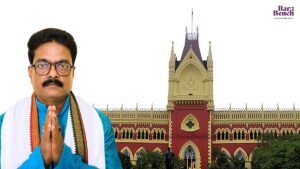
Justice Bhaskar Raj Pradhan emphasized that the civil judge must decide all questions related to the election, including candidate disqualification, as part of an election petition. The Sikkim High Court noted that the civil judge misinterpreted legal provisions by referring the matter to the prescribed authority. According to the court, such issues should be resolved by a civil judge, as mandated by Chapter X of the Rules of 1997.
However, the court also clarified that any issues arising after a candidate is elected and becomes a panchayat member should be referred to the prescribed authority, as stated in Section 29 of the Act. This distinction ensures clarity in the roles of the civil judge and the prescribed authority.
High Court’s Observations and Directives
The High Court further identified a drafting inconsistency in Section 119A of the Sikkim Panchayat Act, noting that it incorrectly refers to appeals against the orders of the “prescribed authority” under Section 119. The court remarked that Section 119 pertains to election petitions decided by a civil judge, not the prescribed authority. Justice Pradhan suggested that the state should address this legislative inconsistency.

Conclusion and Future Proceedings
The High Court left the decision on the merits of the election dispute to the civil judge, in accordance with the correct interpretation of the law. The court expressed the need for the state to examine and rectify the identified legislative inconsistencies.
Advocates Yam Kumar Subba and Mukkum Hang Limboo represented Tulshi Das Subba, while Advocate Johnson Subba appeared for Man Bir Subba. Additional Advocate General Zangpo Sherpa, along with Assistant Government Advocate Sujan Sunwar, represented the Sikkim government departments involved. Advocate Bhola Nath Sharma represented the election officials.