The Kerala government has filed an appeal in the Supreme Court of India against a Kerala High Court order that restricts the State Waqf Board from making significant decisions, including incurring capital expenditure or formulating policies. This move comes amidst ongoing legal scrutiny over the board’s composition.
Supreme Court to Hear Kerala’s Appeal
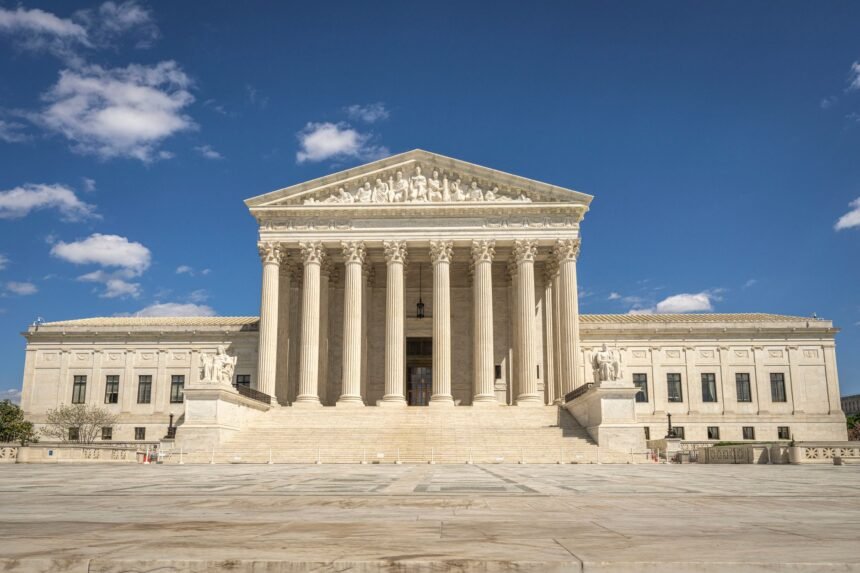
Chief Justice of India (CJI) Surya Kant, along with Justices Joymalya Bagchi and V Mohana, has agreed to schedule the hearing for July 20. The appeal was presented as an urgent matter due to the implications of the High Court’s interim order.
Background of the High Court’s Interim Order
A Division Bench of Chief Justice Soumen Sen and Justice Syam Kumar VM of the Kerala High Court issued an interim order on July 15, which temporarily bars the Waqf Board from making major decisions. This was in response to several Public Interest Litigation (PIL) petitions that challenge the board’s current composition.
The High Court’s decision stems from concerns that the board’s composition may violate Section 14 of the 2025 Waqf Amendment Act. The Act stipulates the inclusion of at least two non-Muslim members in each State Waqf Board, a requirement that the current board allegedly fails to meet.
Interim Administration of the Waqf Board
Until the High Court resolves the petitions, the Waqf Board is to operate under the supervision of the Joint Secretary to the State government responsible for Waqf matters. This temporary measure is intended to ensure compliance with legal statutes while the case is pending.
More Read

Petitions Challenging the Board’s Composition
The petitions, filed by various stakeholders including Shone George, the State Vice President of the Bharatiya Janata Party (BJP), the Assembly of Christian Trust Services (ACTS), and retired Indian Army officer Stalin VM, argue that the board’s functioning is unconstitutional without the mandated non-Muslim members.
The 2025 Waqf Amendment Act, effective from April 8 last year, also imposes an upper limit of three non-Muslim members on State Waqf Boards. The petitioners claim that the Kerala government has ignored this statutory requirement, constituting a breach of the law.
Additional Challenges to the Waqf Board’s Decisions
Beyond the composition issue, ACTS has objected to the board’s decision to upload the details of disputed land in Munambam to the UMEED Portal, a centralized digital platform for waqf properties. Additionally, Stalin’s petition raises concerns over the continued membership of former CPI(M) MLA Kunhammed Kutty Master on the board, despite his loss of legislative status post the 2026 Assembly elections.
More Read

The Supreme Court’s forthcoming decision on July 20 will be pivotal in determining the future operational scope of the Kerala State Waqf Board and its adherence to the 2025 Waqf Amendment Act.