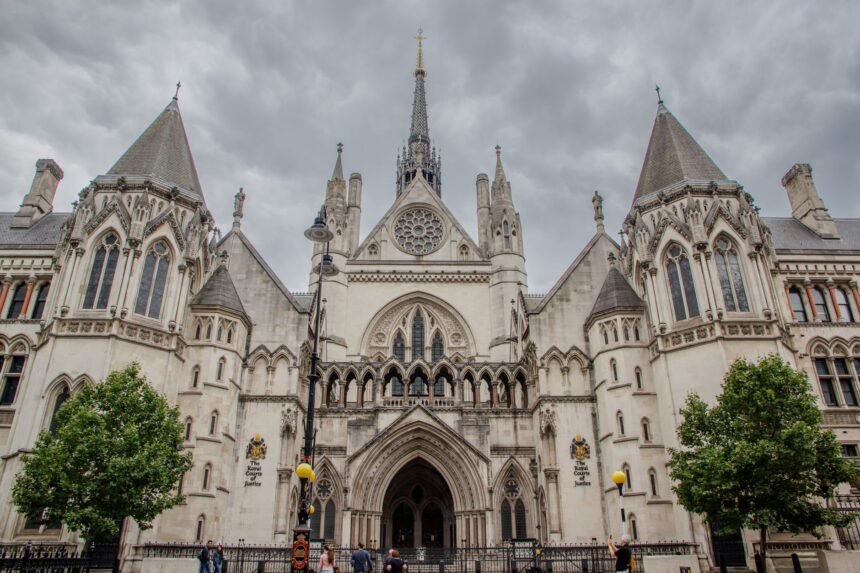
Delhi High Court Dismisses PIL for NIA Investigation into CJP Protests
The Delhi High Court on Friday chose not to entertain a Public Interest Litigation (PIL) that sought an investigation by the National Investigation Agency (NIA) into the protests organized by the Cockroach Janta Party (CJP) and their march towards the Parliament on July 20. The bench, comprising Chief Justice DK Upadhyaya and Justice Tejas Karia, stated that the decision to initiate an NIA probe is a prerogative of the Central government, not the judiciary. “We cannot substitute our satisfaction for that of the Central government,” remarked the Bench.
Despite requests from the petitioner’s counsel and the Central government’s lawyers to issue a notice, the Bench was resolute in its decision. “As far as prayers one and two are concerned, a direction has been sought for the NIA or any other specialized agency to investigate the incident of July 20, which the petitioner claims was an attempt to block the Parliament House,” the Court noted. Solicitor General of India Tushar Mehta, representing the Central government, advised the petitioner to withdraw the plea, suggesting, “If I were the petitioner, I would have withdrawn this. Please withdraw the petition.” Consequently, the petitioner agreed to retract the plea.
Legal Framework and Jurisdictional Issues
At the outset, the government urged the Court to issue notices in all matters. However, the Bench questioned the petitioner on the statutory mechanism for invoking NIA’s jurisdiction, emphasizing that the NIA is an investigative, not an inquiry agency. “An investigation is conducted on a reported crime; there has to be an FIR. If any scheduled offense is to be investigated by the NIA, a recommendation is made to the Centre, which then decides,” the Court explained.
The petitioner’s counsel argued that the gravity of the offense warranted NIA involvement, to which the Court responded, “Determining whether it is a fit case involves two things: an FIR and the subsequent forwarding to the State government, which then informs the Centre. The decision rests with the Central government, and we cannot substitute its judgment.”
The counsel highlighted that FIRs had been filed against the unruly mob, affecting the entire nation. However, Chief Justice Upadhyaya remained firm: “We are strictly confining the matter to legal parameters. Can the Court substitute its satisfaction for that of the Central government?”
More Read
Petitioner’s Allegations and Court’s Stance
The petition, filed by Satish Kumar Aggarwal, former Vice-President of the Akhil Bharat Hindu Mahasabha, alleged that the protest was politically motivated and financed by foreign entities aiming to destabilize the nation. Aggarwal sought directions for the NIA or another specialized agency to take over all FIRs registered by the Delhi Police related to the incident, and to identify and prosecute those responsible for violence and vandalism.
Despite the petitioner’s citation of the Padmavat film case, the Court urged the counsel not to confuse issues. “There is a mechanism available in law, and you should take recourse to that,” the Court advised.
In the afternoon session, Solicitor General Mehta reiterated that the decision regarding which agency should investigate lies with the authorities. The Court maintained that such decisions are procedural and must be left to the administration. Additional Solicitor General Chetan Sharma pressed for a status report on the matter, but the Court insisted that the administration is equipped to handle the situation: “There are judgments, and authority is available to you. Follow the Supreme Court judgments; you are under mandate,” the Chief Justice concluded.