Karnataka High Court Criticizes Hindu Jagarana Vedike Over Unauthorized Hoardings
The Karnataka High Court expressed its disapproval of the Hindu Jagarana Vedike for erecting hoardings publicizing their Akhanda Bharatha Sankalpa Dina torchlight procession, planned for August 15, prior to receiving judicial approval for the event. This occurred in the context of their petition seeking permission to conduct the march, which had previously been refused by the police [Hindu Jagrana Vedike & another Vs The Commissioner of Police & another].
Justice Suraj Govindaraj engaged Senior Advocate M Aruna Shyam, representing the petitioner, in a pointed dialogue regarding the premature display of hoardings despite the denial of permission by police authorities. Justice Govindaraj remarked, “Even after the permission was rejected (by the State), you have put up the hoardings, is it? Where is the value for the rule of law?”
The Court sternly advised the petitioner against taking judicial processes lightly. Justice Govindaraj cautioned, “Don’t do this kind of things. We are trying to give you permission and you have gone and put up the hoardings? Have you got the permission? Don’t take the court for granted.” He further queried how the petitioner could proceed with advertisement efforts when they had approached the Court for the very approval they did not yet possess.
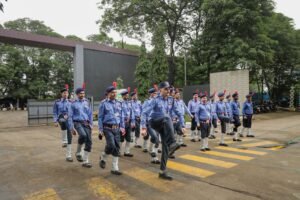
The petitioner had sought to overturn the police’s August 6 rejection of their proposed torchlight march, arguing that the event was secular and patriotic in nature, aimed at celebrating nationalism and significant historical events related to Indian Independence. They contended that the police’s rationale for refusal was unfounded, lacking substantial evidence of potential law-and-order issues, and noted previous peaceful marches in Mysuru as precedents.
During the latest hearing, Additional Advocate General Bhanu Prakash provided evidence that the State had documented the unauthorized hoardings, asserting that they were erected on August 12, even though the petitioners approached the Court on August 8, two days after their initial rejection. Prakash claimed, “My officer is here. He says they have put it up yesterday. The timing is indicative.”

The State opposed the plea, asserting that the petitioner sought to proceed with the event without the necessary legal permissions. The Court observed that the preemptive hoardings undermined confidence and constituted an abuse of the Court’s process.
Further discussions addressed the petitioners’ request for security arrangements for the procession. The Court suggested that if State resources were to be deployed, the petitioner should bear the associated costs. It also remarked that if the march proceeded without official security, the petitioner would be responsible for any resultant issues.
Shyam defended the actions by stating that third parties had erected banners with local body consent and emphasized the petitioner had requested police protection for an event they believed was previously sanctioned. He argued that the State’s last-minute rejection was unreasonable, stating, “We are prepared to follow any reasonable condition that may be imposed.”
More Read
The court session concluded with plans to resume deliberations on August 14.