Delhi Police Defends Facial Recognition Use at CJP Protests
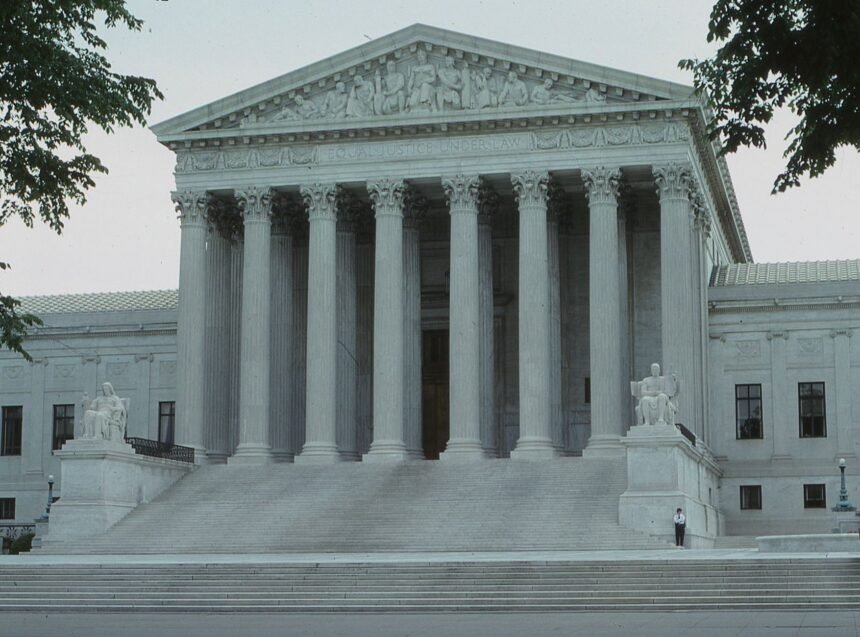
On Tuesday, the Delhi Police presented their case to the Supreme Court, explaining that the deployment of facial recognition technology (FRT) during the recent protests at Jantar Mantar was targeted solely at individuals with existing criminal records. This statement was made before a bench comprising Chief Justice of India (CJI) Surya Kant, Justice Joymalya Bagchi, and Justice V Mohana during a hearing that focused on the surveillance methods employed by law enforcement during protests organized by the Cockroach Janta Party (CJP).
The police contended that the use of FRT was a justified and proportionate measure aimed at maintaining public order, preventing crime, and protecting citizens and their property. They clarified that the technology was designed to capture images only of those who had been previously booked for offenses.
In their affidavit, the police stated, “The facial recognition system does not automatically capture, create, generate, or maintain profiles of all individuals present at the protest site. It is not utilized for indiscriminate surveillance or for collecting personal data of peaceful protesters, unless they have prior criminal records.”
Details of the System’s Operation
The court was informed that the FRT system only holds data of individuals accused of serious crimes, not minor offenses like traffic violations. The police further explained that biometric data of such individuals are maintained by the National Crime Records Bureau (NCRB) in accordance with statutory regulations.
Between July 20 and July 26, 2,873 individuals with criminal records were identified at the Jantar Mantar protest site through the FRT system. Notably, 92 of these individuals were linked to more than 10 cases each. Solicitor General Tushar Mehta, representing Delhi Police, clarified, “The system does not indiscriminately identify everyone. It captures faces and checks them against the records maintained by the National Crime Records Bureau for individuals with serious criminal backgrounds.”

He added that no automatic action follows a match. “If a match is possible, no automatic action is taken. There is field verification to determine the individual’s location and activities during the protest,” Mehta explained.
Court’s Response and Further Proceedings
Following the hearing of a series of petitions related to the protests, the Supreme Court decided to establish a high-powered judicial committee. This committee will investigate alleged police excesses, violence against police personnel, and other related issues.
Senior Advocate Menaka Guruswamy, representing the petitioners, argued that the issue of facial recognition technology requires specific judicial scrutiny. “It cannot simply be referred to the committee. The Court will have to hear and decide it,” Guruswamy asserted. The Bench indicated that while the committee could provide its opinion, the final decision would rest with the Court.
More Read

Senior Advocate N Hariharan raised concerns about the legality of data collection by the police. “This amounts to surveillance. What is being done with the material collected? There are two separate questions: the collection of facial recognition data and the processing of that data. Are the authorities legally entitled to process this material?” Hariharan questioned.
Guruswamy also noted the involvement of private companies in processing the material, emphasizing the need for separate adjudication of this issue. She disputed Mehta’s description of how the technology functions, stating, “The technology first collects all the images. The issue is not merely matching. The collection and processing itself raises constitutional concerns.”
Justice Bagchi remarked, “We have to see this from the lens of proportionality and not privacy.” Meanwhile, CJI Kant clarified that the proposed committee is primarily for fact-finding, and that the legal questions would be addressed by the Court.