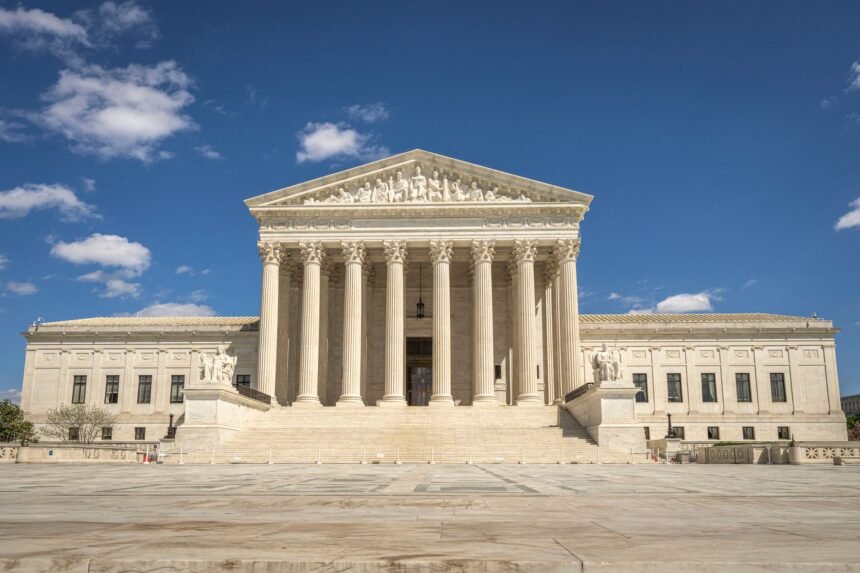
Supreme Court Enforces Compliance on Solid Waste Management
In a significant ruling on August 18, the Supreme Court of India mandated local authorities to issue written notices to bulk waste generators, warning them of potential disconnection of their water and electricity services if they fail to properly segregate, store, and hand over solid waste. This directive emerged from the case Bhopal Municipal Corporation v. Dr Subhash C Pandey and Others, and was delivered by a bench comprising Justices SVN Bhatti and NV Anjaria.
The Court specified that the disconnection would be executed by a special cell under the jurisdictional district collector. Services would be reinstated once the waste generators provide a compliance certificate, confirming adherence to solid waste management protocols.
Educational Integration and Household Supervision
Additionally, the Supreme Court instructed educational departments to swiftly integrate both theoretical and practical lessons on solid waste management into school curricula. Students are expected to become household-level supervisors, educating family members on effective waste management practices. Teachers are to be trained as facilitators to reinforce this educational initiative.
This ruling came during the hearing of appeals by the Bhopal Municipal Corporation against the National Green Tribunal orders related to compliance with the Solid Waste Management Rules, 2016. The Court further mandated district education departments to conduct periodic audits and submit reports to district collectors.

Enhancing Monitoring and Compliance
The ruling emphasized the use of an online portal for uploading geotagged photographs of waste accumulations and monthly compliance updates. These reports will move through the administrative hierarchy from district collectors to State Secretaries and Union ministries, ensuring a streamlined approach to monitoring.
While acknowledging the setup of statutory committees and enforcement agencies, the Court highlighted that these alone were insufficient to tackle the persistent issue of accumulated garbage. It laid down an enforcement framework wherein the Supreme Court Monitoring Committee (SCMC), through State Chief Secretaries, directs district collectors to identify all bulk waste generators within their jurisdiction. This identification process is to be completed within six weeks.
More Read

Ensuring Accountability and Participation
The Court directed district collectors to inform bulk waste generators of the repercussions of non-compliance, which include the temporary disconnection of utilities until compliance with the Rules is achieved. Communication is meant to give waste generators an opportunity to establish requisite facilities and report compliance online.
The SCMC is tasked with increasing participation from elected ward representatives of gram panchayats, municipalities, and municipal corporations in implementing these rules. Additionally, local bodies must report the amount of waste generated, accounted for, and the steps taken to ensure full stakeholder participation.
Legal and Ethical Responsibilities
Rejecting the notion that solid waste management is solely the responsibility of sanitary workers, the Court emphasized it as a collective societal duty under Rule 4 of the 2026 Rules. This duty aligns with the fundamental responsibility to protect the environment under Article 51A(g) and is integral to the right to a clean and healthy environment under Article 21.
The Court also instructed the SCMC to focus on pollution of rivers due to municipal solid waste and present relevant data. Additionally, it will monitor sectoral compliance by the Railways, Defence, and other ministries. The case is scheduled for a subsequent hearing on November 17.