CM Vijay Defends Election Victory Amid Allegations
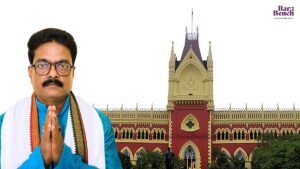
Tamil Nadu Chief Minister C Joseph Vijay has mounted a robust defense before the Madras High Court, arguing that the presence of children in his election campaign is not a valid reason to nullify his electoral success in the Tiruchirappalli East Assembly constituency. This position was articulated in response to an election petition filed by S Inigo Irudayaraj, a candidate of the Dravida Munnetra Kazhagam (DMK), who was defeated by Vijay with a margin of 27,416 votes.
The legal contention centers on the petitioner’s allegations that Vijay and his party, Tamilaga Vettri Kazhagam (TVK), violated a directive from the Election Commission of India (ECI) dated February 5, 2024, which prohibits the use of children in election-related activities. This directive is purportedly issued under Article 324 of the Indian Constitution, and its infringement is argued to contravene Section 100(1)(d)(iv) of the Representation of the People Act, 1951 (ROPA).
Vijay’s Legal Standpoint
In his defense, Vijay has countered that the petition fails to demonstrate that the ECI’s directive was issued as an order under ROPA. He further contends that breaching the Model Code of Conduct does not independently justify annulling an election under Section 100 of the Act. Vijay maintains that there is no tangible evidence showing that the alleged involvement of children swayed the election outcome or contributed to his victory margin.
Vijay’s response also addresses various other allegations made by Irudayaraj, including those of suppressed election expenditure, foreign funding, affidavit discrepancies, and campaigning in religious spaces. Vijay refutes these claims, arguing that the petition lacks concrete evidence. On the matter of election expenditure, he states that the figures presented are speculative and not linked to any authorised spending by him or his election agent.
Rebutting Financial Allegations
Regarding the accusation of foreign funding, Vijay highlights the absence of any identified contributors, amounts, or methods of transfer in the petition. Similarly, he dismisses claims of religious campaigning, arguing that merely entering a place of worship or engaging in prayer does not equate to soliciting votes on religious grounds, as per Section 123(3) of ROPA.

The case, which encapsulates significant interpretations of election laws and conduct, is scheduled for a hearing on August 31, 2024. As these legal proceedings unfold, they will likely provide further clarity on the application of electoral directives and the extent of their enforceability.