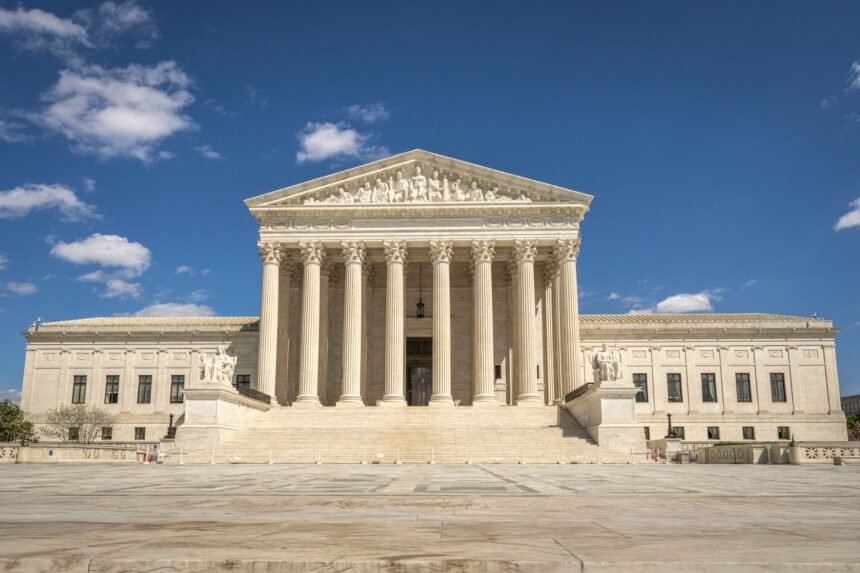
The Supreme Court of India has granted permission to the Himachal Pradesh government to dismiss prosecutions in 45 criminal cases filed against current and former lawmakers during the COVID-19 pandemic. These cases, initiated by the state police, pertain to protests and public grievance expressions. This decision was delivered by a bench comprising Chief Justice of India (CJI) Surya Kant, Justice Joymalya Bagchi, and Justice V Mohana.
The Supreme Court’s ruling overturns a previous decision by the Himachal Pradesh High Court, which had allowed the withdrawal of only 20 out of 65 such cases involving Members of Parliament (MPs) and Members of Legislative Assembly (MLAs). This High Court approval was required under the guidelines established by the Supreme Court’s 2021 ruling in the Ashwini Kumar Upadhyay case, which necessitates rigorous judicial scrutiny to prevent the misuse of executive power in terminating prosecutions against lawmakers.
The apex court highlighted that the cases in question did not involve any grave or severe crimes. It was noted that in four of these 45 cases, the trials concluded with acquittals or dismissals. The Court emphasized that the accusations against these public representatives were primarily related to their participation in protests and the articulation of public grievances through various platforms.
Chief Justice Surya Kant, along with Justices Joymalya Bagchi and V Mohana, remarked on the exceptional circumstances posed by the COVID-19 pandemic, stating that continuing these legal proceedings would not serve the public interest or advance the administration of the criminal justice system. Instead, it would unnecessarily occupy the court’s time, diverting resources from more serious or contentious matters needing prompt resolution.
Initially, the state had invoked Section 269 of the Indian Penal Code (IPC), which pertains to acts likely to spread infectious diseases, and Section 51 of the Disaster Management Act against the accused. The allegations included unlawful assembly, criminal intimidation, and effigy burning during the pandemic.
More Read

This decision underscores the Court’s acknowledgment of the broader context of the pandemic and its impact on public actions. The Supreme Court’s ruling allows for a comprehensive withdrawal of all 65 cases, emphasizing that these largely arose from peaceful protests or the voicing of public grievances during a challenging period.