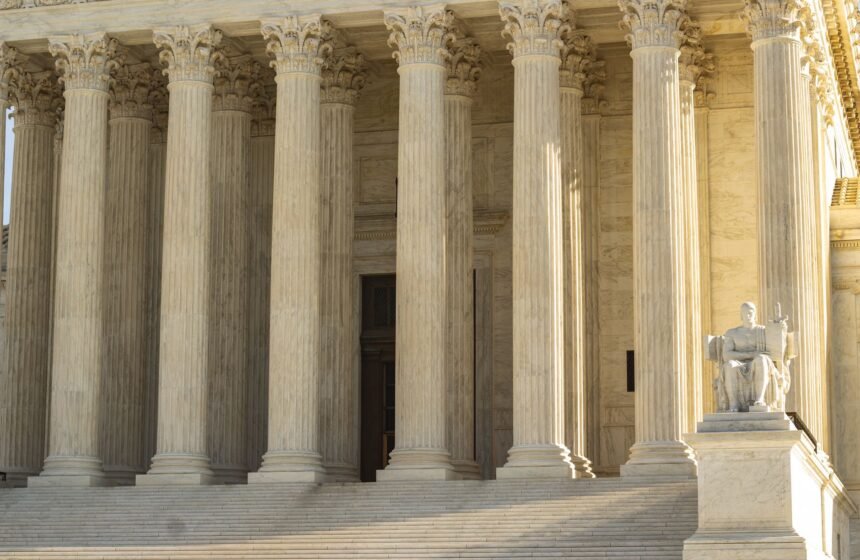
The Supreme Court of India announced on Tuesday that it will set up a high-powered committee to investigate the issues arising from the Cockroach Janta Party (CJP) protests. This committee will address allegations of police misconduct and violence against law enforcement officers. The Bench, consisting of Chief Justice of India (CJI) Surya Kant, Justice Joymalya Bagchi, and Justice V Mohana, stated that the panel would be composed of a former Supreme Court judge, a former High Court Chief Justice, and a senior retired police officer.
The committee is tasked with fact-finding and will submit periodic reports to the Supreme Court, which will then issue the necessary directives. “We will provide all necessary infrastructure facilities for the committee. We are confident that the committee will offer a platform for any victim to be heard. We await the committee’s recommendations and will ensure that the legal consequences follow,” the Bench declared.
The panel will also examine allegations of sexual assault, online harassment of female protestors, and victimization of vulnerable individuals through social media. “There is no excuse or justification for such actions, and they must be taken seriously,” CJI Kant emphasized. “The committee will address every aspect of these incidents,” he added.
The Court is currently reviewing petitions related to protests at Jantar Mantar, Bihar, and other regions concerning alleged examination paper leaks, including NEET. Petitioners will be advised to either approach the committee directly or present their concerns to the Court.
However, the Bench clarified that constitutional matters regarding facial recognition technology, surveillance, and privacy will remain under the Court’s jurisdiction. “The committee will focus on factual inquiries, such as the extent of force used. The Court will later address broader legal and constitutional questions,” it stated.

In its proceedings, the Court is considering invoking Article 142 to annul FIRs involving students, distinguishing them from cases involving individuals with serious criminal backgrounds. Solicitor General Tushar Mehta concurred, suggesting the need to quash charges against student protesters while investigating others with criminal histories.
According to submissions, 2,873 individuals with serious criminal charges, including murder and rape, were identified among the protesters. CJI Kant requested state governments to provide a list of FIRs solely involving students.
“The law grants this Court the power to take such actions,” the Court reiterated. It emphasized the importance of considering the future of students involved, stating, “Their parents invest their hard-earned money in their education, and they have a legitimate expectation from the system.”
More Read
An advocate for a petitioner seeking action against protestors argued that there was an unlawful attempt to march to Parliament. The Court maintained that the intent and purpose of the student gatherings must be evaluated, noting, “Their rights under Article 19 should not be overlooked. Peaceful and lawful protests to voice concerns are distinct from acts of violence by criminal elements infiltrating such gatherings.”
CJI Kant addressed concerns over perceived leniency, asserting, “We are focusing on the matter concerning their lives and futures, not emotional arguments.”
Senior Advocates N Hariharan, Menaka Guruswamy, Gopal Sankarnarayan, and Shadan Farasat, along with Advocates Vrinda Grover and Rizwan Ahmad, participated in the proceedings.