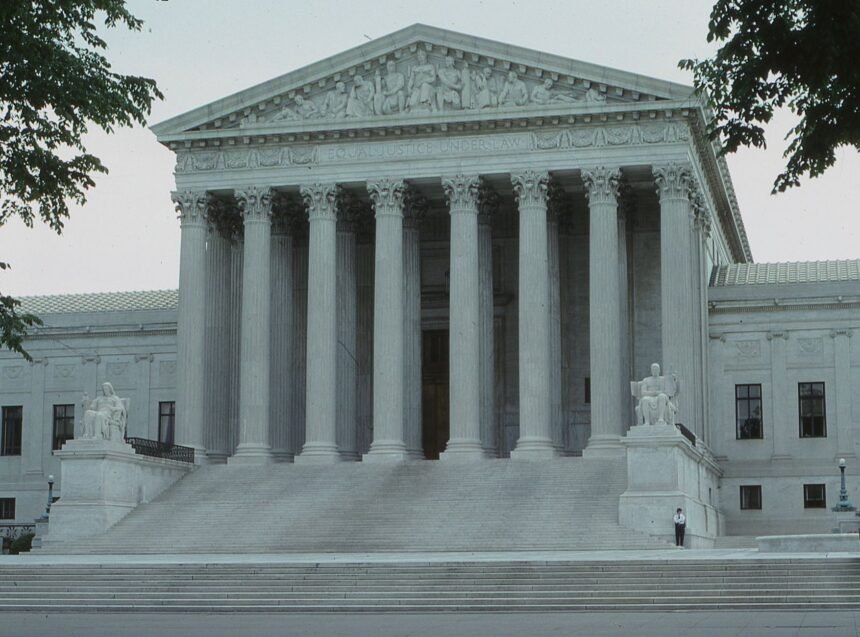
The Supreme Court of India has emphasized the importance of respecting the workload of subordinate courts, advising against imposing rigid timelines for case resolutions. This perspective was articulated by a Bench comprising Justices BV Nagarathna and Augustine George Masih. The Court addressed this issue during the hearing of a plea from an individual involved in a matrimonial dispute, who sought the return of his passport and a swift resolution of his petition pending in the High Court.
The petitioner’s counsel urged the Supreme Court to instruct the High Court to resolve the matter within four weeks. However, Justice Nagarathna rejected this request, expressing hesitation to impose such mandates. “We refrain from directing district judges on disposal timelines, and we apply the same principle to High Courts. Each judge manages their docket daily, and requests should be directed to the High Court,” she stated.
Reflecting on her previous experience as a High Court judge, Justice Nagarathna noted the perceptions of lower court benches towards orders with strict timelines issued by higher courts. She recalled, “During my tenure at the High Court, we understood the impact of such directives from the Supreme Court. We want to avoid replicating that experience from our current position.”
The petitioner approached the Supreme Court due to ongoing legal proceedings related to matrimonial disputes, including a look-out circular (LOC). Despite a High Court order granting protection, he was arrested after his father’s death, and his passport was confiscated, affecting his livelihood. Additionally, the High Court had frequently postponed the petition concerning the quashing of proceedings and the return of the passport, eventually scheduling it for February 2027.
While the Supreme Court chose not to set a fixed date for resolution, it did allow the petitioner the option to apply to the High Court for an earlier hearing. “We grant the petitioner the liberty to request an advancement of the case from February 2027 to an earlier date. Should the petitioner file such an application, the High Court is expected to consider it, taking into account the circumstances, including the petitioner’s need for interim relief. The High Court should endeavor to resolve the main matter as soon as feasible,” the Supreme Court directed.