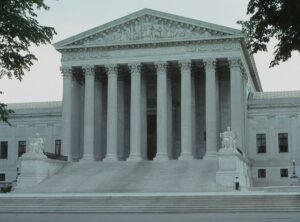
The Supreme Court of India, on Friday, highlighted the limitations of applying the Sexual Harassment of Women at Workplace (Prevention, Prohibition and Redressal) Act, 2013 (POSH Act) in a rigid manner to women advocates. In the case of Seema Joshi v. Bar Council of India, a Bench comprising Justices BV Nagarathna and Augustine George Masih suggested that a tailored regulatory framework is necessary to adequately protect female lawyers practicing in various courts and tribunals across the nation.
Need for Separate Regulations
During the proceedings, the Bench proposed a joint consultation involving multiple stakeholders to develop a comprehensive set of regulations designed specifically for women in the legal profession. This suggestion arose while the Court reviewed the existing Gender Sensitisation and Sexual Harassment of Women at the Supreme Court of India (Prevention, Prohibition and Redressal) Regulations, 2013. These regulations currently apply only to the Supreme Court’s premises, thereby limiting their scope.
Scope of Current Framework
Justice BV Nagarathna and Justice Augustine George Masih pointed out that the existing legal framework does not extend to High Courts, district courts, or tribunals under the jurisdiction of central and state governments, as well as other quasi-judicial authorities. The Court remarked, “To ensure comprehensive coverage, it is necessary to establish a distinct set of regulations, as the POSH Act cannot be uniformly applied to women in the legal profession.”
Call for Collaboration
The Supreme Court urged counsel to engage in a joint consultation to draft a cohesive set of regulations applicable to all judicial, quasi-judicial, and tribunal sectors. Advocate Radhika Gautam, representing the Bar Council of India (BCI), expressed her intent to seek guidance and work towards formulating common regulations for women advocates.
Consultation with State Bar Councils
The Court also mandated that the BCI counsel verify with State Bar Councils regarding any existing regulations in this context. This move aims to ensure a unified approach in protecting women lawyers from workplace harassment across the legal spectrum.