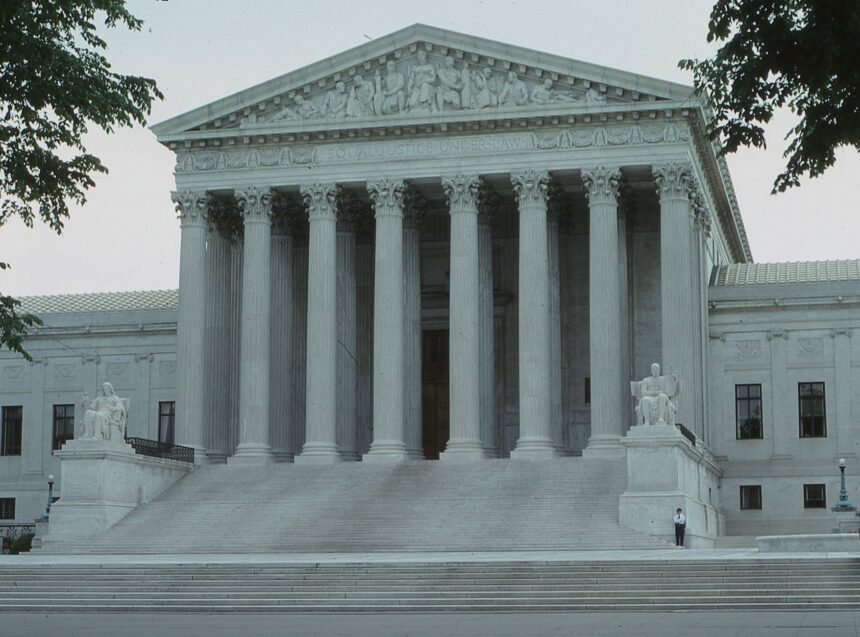
The Supreme Court of India has issued a notice to Nilesh Dnyandev Lanke, a Member of Parliament from the Nationalist Congress Party (NCP – Sharadchandra Pawar), in response to a petition filed by Bharatiya Janata Party (BJP) leader Sujay Vikhe-Patil. Vikhe-Patil is contesting Lanke’s election victory from the Ahilyanagar constituency (formerly Ahmednagar) in the 2024 Lok Sabha elections. This legal development, documented in the case Sujay Radhakrishna Vikhe-Patil v. Nilesh Dyandev Lanke, raises significant questions about alleged electoral misconduct.
The petition lodged by Vikhe-Patil claims that the election process was marred by corrupt practices, excessive spending on election campaigns, and voting irregularities. Senior Advocate NK Kaul, representing Vikhe-Patil, presented arguments before a bench comprising Chief Justice of India (CJI) Surya Kant, Justice Joymalya Bagchi, and Justice V Mohana. Kaul emphasized that the disputes in question are triable issues that necessitate a thorough trial, describing the proceedings as a ‘mini trial.’
During the court session, the bench, led by CJI Surya Kant, acknowledged these submissions and agreed to issue a notice on Vikhe-Patil’s plea. The court also set a returnable date for the notice to ensure that proceedings do not prolong indefinitely while Lanke continues in office. CJI Kant affirmed, “It will be given,” in response to Kaul’s request for a returnable date.
In the 2024 general elections, both Vikhe-Patil and Lanke vied for the Ahmednagar Lok Sabha seat. Lanke, representing NCP, emerged victorious with 624,797 votes, surpassing Vikhe-Patil’s tally of 595,868 votes by a margin of 28,929. Following the election results declared on June 4, 2024, Vikhe-Patil initiated an election petition challenging the legitimacy of Lanke’s win. The accusations include the dissemination of allegedly false statements concerning Vikhe-Patil’s character and conduct, and claims of Lanke exceeding the ₹95 lakh election expenditure cap, non-disclosure of certain expenses, and reports of bogus or duplicate voting activities.
Additionally, the petition criticizes the Returning Officer for not permitting the verification of specific Electronic Voting Machines (EVMs), asserting that these alleged irregularities significantly impacted the election outcome. In response, Lanke sought to have the election petition dismissed under Order VII Rule 11 of the Civil Procedure Code, arguing that the allegations lacked the requisite specifics and did not present a valid cause of action.

The Bombay High Court had previously sided with Lanke on April 8, 2026, dismissing Vikhe-Patil’s petition on grounds that the accusations were vague and lacked specificity. However, Vikhe-Patil has now escalated the matter to the Supreme Court, challenging this High Court decision.