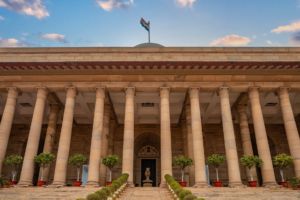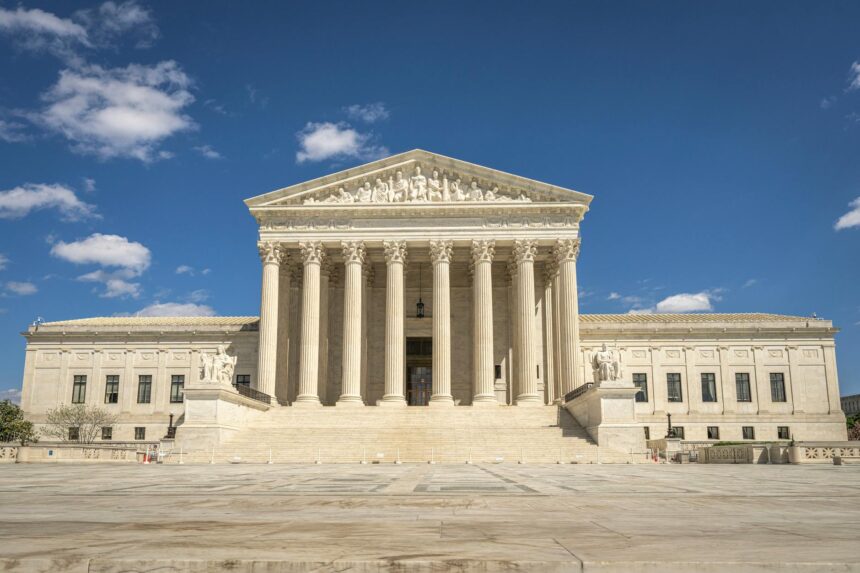
The Supreme Court of India has issued a mandate requiring High Courts to pronounce judgments within three months of reserving a verdict, with an emphasis on expedited rulings in matters concerning personal liberty. This directive was part of a series of measures announced by a Bench comprising Chief Justice of India (CJI) Surya Kant, along with Justices Joymalya Bagchi and Vipin M Pancholi, aimed at addressing the persistent delays observed in the delivery of judgments by various High Courts.
Key Directives for Timely Pronouncement
The Supreme Court stipulated a series of guidelines to ensure timely pronouncement of judgments:
- Judgments must be delivered within three months of being reserved, with quicker resolutions expected in cases involving personal liberty.
- Bail application orders should ideally be pronounced on the same day, or by the next day if reserved for a verdict.
- Bail orders must be promptly communicated to jail authorities on the day of pronouncement.
- Undertrial prisoners should be released on the same day bail is granted, or by the next day at the latest.
- Trial courts are required to inform the concerned High Court about compliance in such matters.
- While the operative part of a judgment is to be pronounced in open court, the detailed judgment with reasons must be uploaded within seven days.
- High Courts are to make necessary changes on their websites to adhere to these guidelines.
- If a judgment is not pronounced within three months of reservation, the registrar general must present the case to the High Court Chief Justice, who may grant a further two weeks for pronouncement. Failure to comply will result in the case being reassigned to another Bench.
- If detailed reasons are not uploaded within 15 days of pronouncement, an application for the same can be moved. If not done within 30 days, an application can be made to withdraw the case and present it before another Bench.
- The date of judgment reservation must be reflected on the High Court’s website after conclusion of arguments.
The Registrar General of each High Court has been instructed to submit these guidelines to the Chief Justices for implementation.
Addressing Delays and Ensuring Justice
The Supreme Court clarified that these directives are not intended as a criticism of any specific judge or court. The directives emerged from an application highlighting delays in the publication of a High Court judgment. The application cited the Jharkhand High Court, which had pronounced a judgment in December 2025, but failed to upload the ruling on its website or release it to the litigant’s counsel.
The Court had previously cautioned against such delays, emphasizing the necessity of issuing guidelines to address this ongoing issue, which hampers the delivery of justice. CJI Surya Kant, reflecting on his tenure as a High Court judge, noted that judgments were always delivered within three months of argument conclusion.
More Read

Furthermore, the Jharkhand High Court was directed to make the referenced judgment available within the week. In November 2025, the Supreme Court had ordered High Courts to report on their judgment timelines, including reservation, pronouncement, and upload dates. The Court continues to monitor compliance with previous directives regarding the recording of key dates in every certified judgment copy.
The High Courts were also tasked with submitting details of all judgments reserved after January 31, 2025, including their pronouncement and upload dates up to October 31, 2025, as well as suggestions for standardizing formats and improving disclosure practices.