Justice Prathiba M Singh’s Perspective on AI Disclosure in Legal Practice
In a recent discussion, Delhi High Court Justice Prathiba M Singh expressed reservations about the immediate necessity for lawyers to disclose their use of artificial intelligence (AI) tools. She argued that such requirements could add to the compliance burden faced by legal professionals, eventually leading to the creation of standardized affidavits.
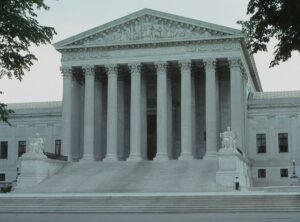
Justice Singh’s comments come in the wake of the Supreme Court’s draft regulations titled Regulations for Use of Artificial Intelligence in Courts, 2026. These proposed guidelines suggest mandatory disclosure whenever AI is utilized for preparing legal documents, pleadings, submissions, or evidence. The Supreme Court Advocates on Record Association (SCAORA) has voiced opposition to this requirement, recommending its removal.
Insights from the International ADR Conference
The remarks were made during a fireside chat with Senior Advocate J Sai Deepak at the International ADR Conference, 2026. The conference, organized by Maadhyam, focused on the theme ADR Pathways to Legal Harmony. When asked about the necessity of disclosure norms before an institutional framework is established, Justice Singh remarked, “I think disclosure norms are just going to make lawyers’ life more difficult.”
Justice Singh emphasized the existing technological obligations under the Commercial Courts Act and the electronic filing system, which already require lawyers to perform tasks like OCR and e-filing. She pointed out that mandatory disclosures could end up as mere templated affidavits. Furthermore, India’s adversarial legal system inherently provides a safeguard against erroneous or fabricated AI-generated content, as opposing parties would likely contest such material in court.
Draft Regulations and Stakeholder Feedback
The Supreme Court’s draft AI regulations, released in June, invited comments from various stakeholders. The framework allows courts to request details about the AI systems used, their role, and the verification steps undertaken. Justice Singh underscored the importance of human verification alongside AI usage, warning, “Without human verification, it can be an absolute disaster.” She recounted an incident where a Delhi High Court ruling overturned a Goods and Services Tax order that cited non-existent judgments.

The Role of AI in Legal Research and Decision-Making
Justice Singh acknowledged AI’s potential in assisting judges and lawyers with research, summarization, and draft preparation but firmly stated that AI could never replace human decision-making. She advocated for an AI platform developed exclusively for the judiciary, emphasizing that judicial data should be controlled by the judiciary and not be part of public databases. “We should get our own AI platform prepared, with our own algorithms,” she stated.
Concerns About Privacy and Technological Integration
Justice Singh raised concerns about privacy and confidentiality, particularly in sensitive cases, if public AI platforms were used for judicial information. She also indicated that the district judiciary is not yet ready to adopt AI-based platforms, recommending stabilization of existing infrastructure over the next 5-7 years. “Get a cheaper live transcription software for the entire country, and you will see how criminal trials will move,” she suggested as a potential technological upgrade.