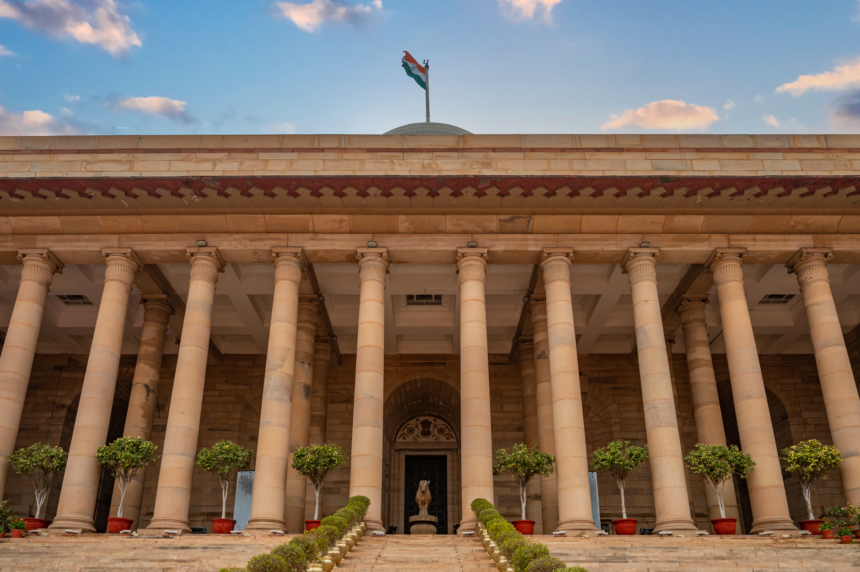
The Supreme Court of India has taken up a crucial plea from the Confederation of Indian Alcoholic Beverage Companies (CIABC), challenging a decision by the National Company Law Appellate Tribunal (NCLAT). The tribunal had ruled in favor of the Kerala State Beverages Corporation (KSBC), dismissing allegations of preferential treatment towards the Jawan Rum brand, produced by the state-owned Travancore Sugar and Chemicals Limited.
Legal Context and Allegations
The plea, represented by Senior Advocate Amit Sibal, argues that Jawan Rum is being sold at reduced prices, indicating favoritism by KSBC. The Supreme Court bench, consisting of Justices Sanjay Kumar and Sanjeev Sachdeva, has issued notices to the Competition Commission of India (CCI), KSBC, and Travancore Sugar and Chemicals Limited. This move marks the beginning of a significant legal examination into the practices of KSBC.
KSBC serves as Kerala’s primary agency for procuring liquor in bulk, which it then supplies across the state. The core of the dispute involves accusations of KSBC exploiting its dominant market position to benefit government-backed liquor brands like Jawan Rum over private competitors.
Background of the Case
The CIABC and the Association of Distillers, Brewers and Vintners of India initially approached the CCI in 2021, claiming that KSBC had skewed the competitive landscape. They alleged that KSBC imposed inequitable purchase prices, biased tender requirements, and delayed payments to private liquor manufacturers, thus creating an unfair advantage for state-owned products.
However, the CCI closed the investigation the same year, citing inadequate evidence of anti-competitive practices or abuse of dominance. The NCLAT, supporting this decision in May 2026, emphasized that the preferential treatment towards Jawan Rum was a reflection of state policy, and the petitioners failed to demonstrate any adverse impact on market competition or consumer choice.

Supreme Court’s Intervention
Undeterred, the CIABC has brought the matter before the Supreme Court, seeking a re-evaluation of the NCLAT’s ruling. The case underscores the complexities involved in balancing state policies with competitive fairness, especially when governmental entities are involved in commercial markets.
The outcome of this case could set a significant precedent in understanding the limits of state influence in market operations and the safeguarding of competitive practices.
This ongoing legal saga will be closely watched by stakeholders in the liquor industry, given its potential implications for market practices and regulatory oversight in India.