Introduction
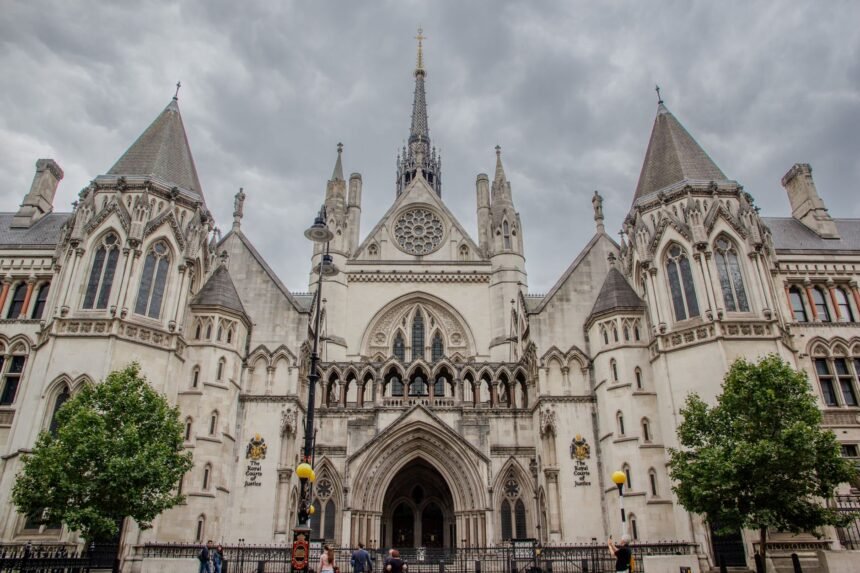
In a significant legal development, Kent RO Systems has agreed to retract its advertisements targeting Urban Company’s water purifiers. This decision was made following proceedings at the Delhi High Court, where Justice Anup Jairam Bhambhani found Urban Company had established a prima facie case warranting an ad interim injunction.
Court Proceedings
The dispute arose from a series of online advertisements by Kent RO, which challenged Urban Company’s assertion that its water purifiers could function efficiently for two years without requiring servicing. The advertisements criticized this claim as “completely false,” labeling it a “marketing gimmick” and “fake,” and further warned consumers of potential “serious health and equipment risk” if the purifiers were used without maintenance.
Urban Company’s Stand
Urban Company, represented by Senior Advocate Amit Sibal, argued that these ads directly attacked a key feature of its Native M1 and M2 water purifiers. The company highlighted that it had invested approximately ₹80 crore in advertising the two-year no-servicing capability, capturing a 42% market share in this segment. Sibal demonstrated that Urban Company’s purifiers utilized advanced technologies such as pre-filtration, smart-rinse, anti-scalant dosing, and auto-flush to maintain filter performance over extended periods.
To support its claims, Urban Company presented laboratory reports showing that its purifiers were tested using 12,000 litres of water with total dissolved solids (TDS) levels between 1,500 to 2,000 parts per million (PPM), representing average household consumption over two years. The company contested Kent’s ads, which falsely claimed that the two-year feature was based on tests conducted at only 750 PPM, despite being informed otherwise through a legal notice.
Kent’s Defense
Representing Kent, Senior Advocate Rajeshwari Hariharan argued that the lifespan of water filters is contingent upon various factors, including water hardness, turbidity, TDS levels, and household consumption. She pointed out that Urban Company’s two-year claim was conditioned on specific testing circumstances, which might not uniformly apply given the diverse water conditions across India.

Court’s Observations and Rulings
Justice Bhambhani acknowledged the variability in water conditions and consumption but found Kent’s ads overly broad in dismissing Urban Company’s technology as unsafe. The judge criticized Kent for not promoting its own products positively, instead focusing on discrediting Urban Company’s feature.
Consequently, Kent agreed to withdraw the contested ads within ten days and committed not to issue any similar promotional content that could disparage Urban Company’s no-servicing feature. The Court documented this undertaking rather than issuing an interim injunction.
Future Proceedings
The case is scheduled for a follow-up hearing before the Joint Registrar on November 17, after which it will return to the Court.
More Read
Conclusion
This case underscores the importance of substantiating advertising claims within the competitive water purifier market and serves as a reminder of the legal ramifications of brand disparagement.