Supreme Court Advocates for Enhanced EV Charging Infrastructure
On Friday, the Supreme Court of India emphasized the significant role of charging infrastructure in encouraging the adoption of electric vehicles (EVs). The court noted that the absence of sufficient charging points is a major deterrent for potential buyers of electric cars. This observation came from a bench comprising Justices PS Narasimha and Alok Aradhe during the hearing of a petition related to land allotment by the Maharashtra Industrial Development Corporation (MIDC) for an EV charging facility.
Justice Narasimha recounted a personal anecdote during the hearing. He mentioned advising a friend to purchase an electric vehicle instead of a traditional fuel-powered car. However, his friend pointed out the scarcity of charging stations as a significant obstacle. Justice Narasimha remarked, “Because there are no charging points, people are not buying electric cars.” He underscored the potential transformative impact of transitioning from fossil-fueled vehicles to electric ones, stating that such a shift “could make a world of difference for our country.” He further stressed that the transition would be challenging without the necessary infrastructure.
Considerations for Infrastructure Expansion at the Supreme Court
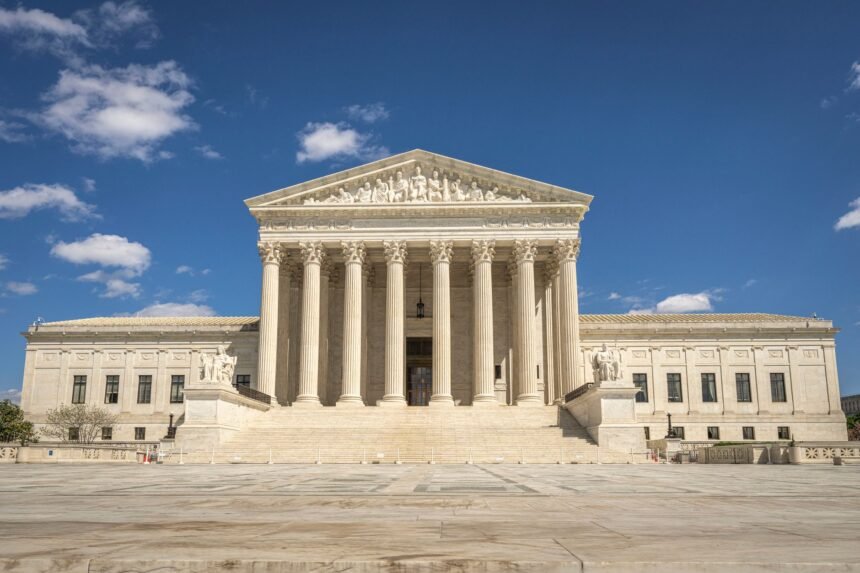
Justice Narasimha suggested that establishing EV charging facilities at the Supreme Court could be a practical step forward. “If you park your car in the Supreme Court here, by the time you discuss the matter, you have to get your car charged. That will be advantageous,” he proposed.
The case in question involved Senior Advocate Dama Seshadri Naidu, who represented the petitioner challenging the allotment of a particular parcel of land prioritized for an EV charging facility. Naidu argued that his client, an adjacent plot owner, required the land for business expansion. He suggested that the available space could be divided to meet the needs of both parties.
Policy-Driven Allocation and Suggestions for Resolution
The Bench, however, clarified that the decision to allocate land for the EV facility was policy-based and not arbitrary. “All that we are telling you is, the decision to allot to him is not an arbitrary decision. It’s a policy,” stated Justice Narasimha. The Court advised the petitioner to discuss with relevant authorities the possibility of obtaining a portion of the remaining land to address expansion concerns.