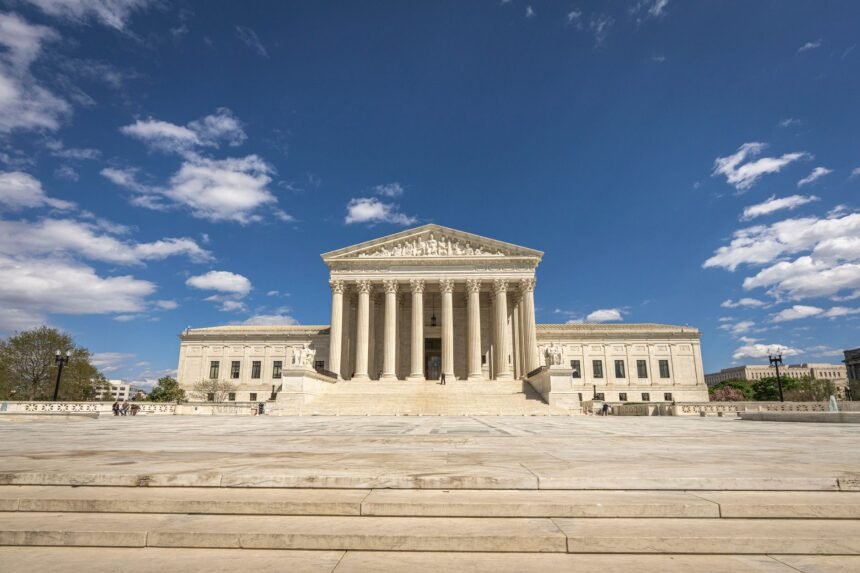
In a landmark judgment, the Supreme Court of India has elevated the act of walking to a fundamental right, a significant move that draws from Articles 19(1)(d) and 21 of the Indian Constitution. The decision emerged from the case of Maniyar Iliyaz @ Shaik Riyaz vs P. Ayyappan, where the Court recognized this right after a tragic incident involving a tanker accident that claimed the life of a five-year-old boy. This ruling not only underscores the importance of pedestrian rights but also imposes duties on civic authorities to ensure safe and accessible footpaths for pedestrians.
Constitutional Advancement: Right to Walk
This judicial recognition places the right to walk above the privileges of motorized vehicles, assigning a clear duty to constitutional courts to declare this right and facilitate its enforcement through existing legal mechanisms. Recognizing walking as more than just a mode of transport, the Court highlighted its role in historical movements such as Mahatma Gandhi’s Dandi March and Subhas Chandra Bose’s 1942 Dilli Chalo movement, where walking served as a powerful medium of expression.
The Need for Legislative Support
Despite this recognition, there exists a statutory vacuum that hinders the practical realization of the right to walk. Currently, there are no specific laws mandating the inclusion of footpaths in urban planning or construction projects. The Motor Vehicle Act, 1988, primarily focuses on vehicle regulations, offering scant attention to pedestrian rights. The enforcement of this newly recognized right will require robust legislative frameworks similar to those established for the Right to Information and Right to Education, which gained enforceability only after dedicated legislative action.
From Judicial Pronouncement to Reality
To transform this judicial pronouncement into an enforceable reality, the establishment of specific statutory legislation is crucial. Such legislation should guarantee pedestrians’ rights and delineate clear responsibilities for urban development authorities, municipalities, and other civic bodies to maintain footpaths. Additionally, provisions for penalties in the case of non-compliance are necessary to ensure these rights are upheld.
Challenges and Responsibilities
Implementing the right to walk poses challenges due to potential obstructions like unauthorized vendors, construction debris, and other impediments on footpaths. While the Court has recognized the right to walk, it must be balanced with existing statutory rights, such as those of street vendors under the Street Vendors (Protection of Livelihood and Regulation of Street Vendors) Act, 2014. This act ensures that vendors cannot be relocated without due process, thereby necessitating a harmonious implementation of both sets of rights.
More Read

Legal Remedies for Violation
Citizens whose right to walk is violated can seek redress through constitutional and legal remedies. They can file a writ petition under Article 226 in the High Courts or under Article 32 in the Supreme Court. Additionally, the Specific Relief Act, 1963, provides avenues for enforcing public duties and seeking restitution against civic authorities that fail to provide safe footpaths.
The Supreme Court’s recognition of walking as a fundamental right marks a shift towards prioritizing pedestrian safety and accessibility in urban planning. This judgment calls for a reevaluation of current statutory priorities, ensuring that pedestrians can walk safely without fear of vehicular accidents. As cities evolve, dedicated footpaths should become an integral part of urban infrastructure, offering pedestrians the dignity and safety they deserve.
About the Author: Naveen Kumar is an Advocate-On-Record at the Supreme Court of India.
More Read

Disclaimer: The views expressed in this article are those of the author and do not necessarily reflect the views of Bar & Bench.