West Bengal Withdraws Supreme Court Appeal
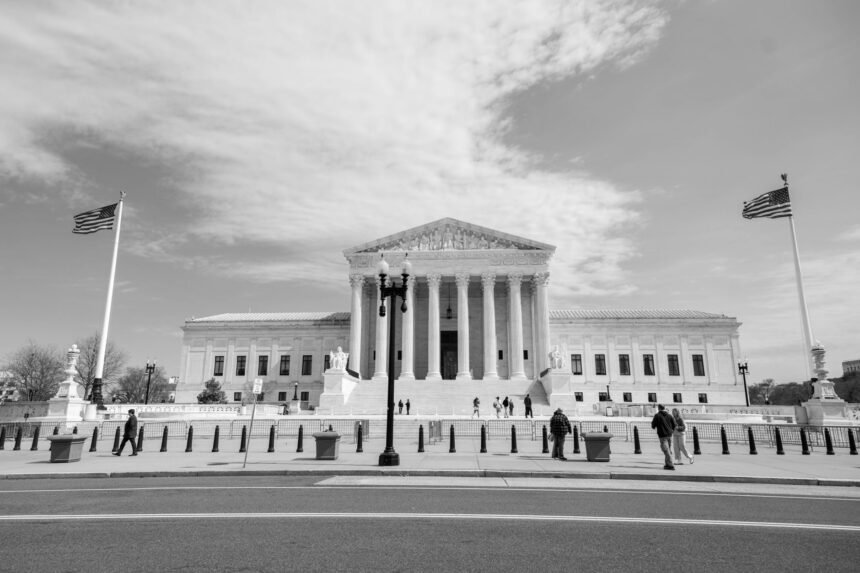
The West Bengal administration has decided to retract its appeal before the Supreme Court, which was against the Calcutta High Court’s decision to exclude 77 communities, primarily 75 Muslim communities, from the state’s Other Backward Classes (OBC) list. This decision was ratified by a bench comprising Chief Justice of India Surya Kant and Justices Joymalya Bagchi and V Mohana.
Solicitor General Tushar Mehta, representing the state, communicated to the Supreme Court that the West Bengal Cabinet had resolved to withdraw the appeal. Additionally, the West Bengal State Backward Classes Commission, represented by advocate Kunal Chatterjee, also retracted its independent appeal. The Supreme Court, while permitting the withdrawal, clarified that other parties or individuals affected by the High Court’s ruling could still pursue legal challenges.
Background of the Controversy
This legal dispute originated in May 2024 when the Calcutta High Court nullified the inclusion of these 77 communities into the OBC list. The court deemed this classification “illegal and unconstitutional,” pointing out procedural flaws and lack of mandatory consultation with the Backward Classes Commission. It also criticized the state executive for seemingly using religion as the primary criterion for inclusion, suggesting the move served electoral motives by targeting a particular community as a “vote bank.”
The ruling affected approximately 12 lakh OBC certificates issued post-2010, although it safeguarded those who had already benefited from government jobs or reservation perks. The challenge against this verdict was initially filed by the state’s then-ruling party, led by Mamata Banerjee, but has now been withdrawn by the Bharatiya Janata Party (BJP) government.
Legislative Developments
In a parallel legislative move, the West Bengal Assembly recently passed amendment bills to formally revert the OBC list to its pre-2010 state, comprising 66 communities. This adjustment effectively reduces the state’s total OBC quota from 17% to 7%.
These developments mark a significant shift in West Bengal’s approach to OBC classification and quotas, reflecting ongoing political and social dynamics in the state.