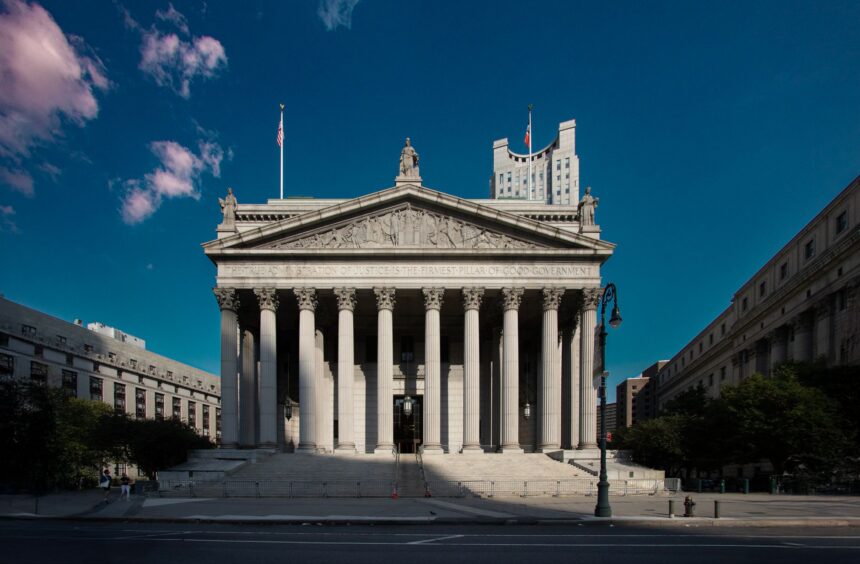
The Supreme Court of India has rejected a petition seeking a CBI investigation into alleged corruption surrounding the Tamil Nadu Assembly trust vote, which took place on May 13. The Tamilaga Vettri Kazhagam (TVK), led by Chief Minister C Joseph Vijay, secured victory in this crucial vote.
A Bench comprising Chief Justice of India (CJI) Surya Kant and Justice V Mohana delivered the ruling, stating that the petition lacked credible evidence. “Dismissed. Plea is based on vague, wild and casual allegations without any reliable material on record. We see no ground to interfere,” the Bench remarked.
The petition was brought forth by KK Ramesh, a resident of Madurai, who contended that TVK had emerged as the largest party in the Tamil Nadu Assembly elections but lacked the majority needed to form a stable government. The state assembly consists of 234 seats, requiring a minimum of 118 MLAs for a party or alliance to govern. Despite this, Vijay managed to secure the backing of 144 MLAs, winning the trust vote.
According to the petition, TVK originally held only 108 seats, falling short of the majority. It was alleged that the party then gained support from Congress, CPI, CPI(M), VCK, IUML, a faction of rebel AIADMK legislators, and the lone AMMK MLA. The petitioner accused TVK of engaging in horse-trading and offering substantial monetary incentives to secure the allegiance of other party MLAs.
Advocate CR Jaya Sukin, representing the petitioner, argued that political leaders were either coerced or financially persuaded to switch allegiances. “In this country, party leaders are either indulging in corruption by giving bribes, or threatening that family members will be hurt if they don’t join the party,” Sukin asserted.

In response, CJI Kant queried which state’s ruling party the allegations pertained to, highlighting the frequent changes in party control. Sukin responded that such practices were occurring nationwide, mentioning instances in both East and Central India.
Despite these assertions, the Court remained unconvinced by the presented arguments and subsequently dismissed the plea.