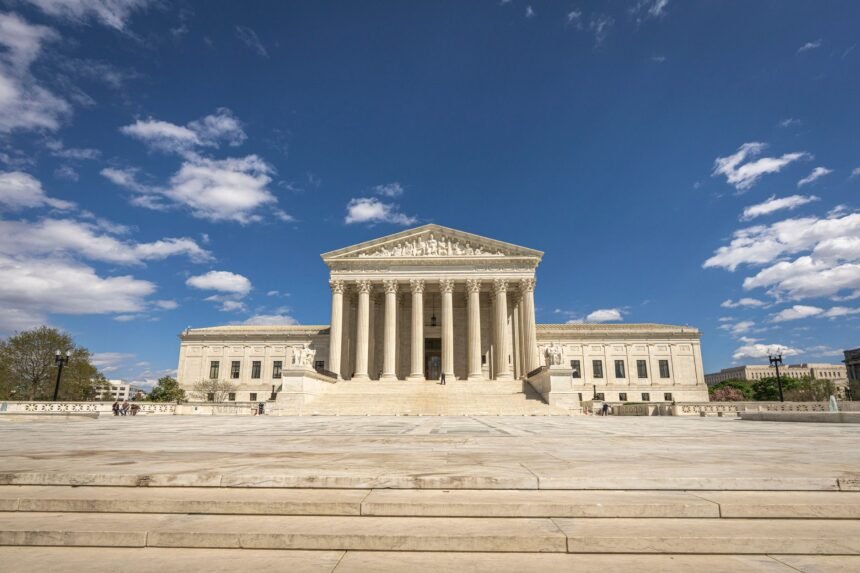
Karnataka’s Appeal to the Supreme Court
The Karnataka government has approached the Supreme Court to express its safety and regulatory concerns regarding the operation of bike taxis in the state. According to the state’s submission, motorcycles, which are being used as bike taxis, lack essential passenger safety features, increasing the risk of accidents and posing challenges with insurance coverage and women’s safety.
Challenge to High Court’s Decision
This legal move follows the Karnataka High Court’s judgment on January 23, which overturned an earlier ban on bike taxi services in the state. The High Court’s Division Bench had directed authorities to consider applications for registering motorcycles as transport vehicles and granting permits for their use as bike taxis. This decision emerged after appeals from entities like Ola, Uber, Rapido, motorcycle owners, and the Bike Taxi Welfare Association challenged the initial prohibition.
State’s Concerns and Legal Arguments
In its special leave petition, Karnataka contends that the High Court has inappropriately converted the discretionary powers of transport authorities into mandatory obligations to grant permits for bike taxis. The state emphasizes the need for a comprehensive framework to address safety, insurance, and operational standards before permitting motorcycles to carry passengers for hire.
The Karnataka government argues that motorcycles, unlike autos and cabs, do not offer adequate passenger safety features. This raises significant concerns about accident vulnerability, insurance coverage in case of fatalities, and women’s safety. The state further points to associated issues like road congestion, pollution, and higher fatality rates with two-wheelers as legitimate grounds for the restriction.
Karnataka highlights that the restriction on bike taxis does not constitute an outright ban on commercial use of motorcycles. Riders can still engage in delivery and logistics services through platforms like Swiggy, Zomato, Amazon, and Flipkart. These workers are protected under the Karnataka Platform-Based Gig Workers (Social Security and Welfare) Act, 2025, which offers social-security and occupational-safety measures.

Interpretation of the Motor Vehicles Act
The state also disputes the High Court’s interpretation that motorcycles qualify as “motor cabs” or “contract carriages” under the Motor Vehicles Act, 1988. Karnataka argues that motorcycles are primarily for personal use and not intended for commercial passenger transport. The state points out that the Karnataka On-Demand Transportation Technology Aggregator Rules, 2016, were specifically designed for four-wheeled motor cabs, explicitly excluding motorcycles.
Conversely, the High Court had determined that operating a taxi service is a legitimate business protected under Article 19(1)(g) of the Constitution. The court found that the state’s unwritten prohibition on bike taxis was not a reasonable restriction, as no law, rule, or notification explicitly barred the registration of motorcycles as transport vehicles.
Environmental and Practical Considerations
Additionally, Karnataka cites a response from the Union Ministry of Road Transport and Highways, stating that “bike taxi” is not defined under the Motor Vehicles Act or its associated rules. The state argues that the absence of explicit prohibition should not be misinterpreted as a positive right to operate bike taxis.
More Read

The plea also discusses practical challenges from the High Court ruling, such as the conversion of privately registered motorcycles into transport vehicles without an existing regulatory mechanism for such a conversion. The state estimates that curtailing bike taxi operations could prevent approximately 1.39 million tonnes of carbon dioxide emissions annually, reduce congestion, and bolster the public transport system.
The case, initially scheduled for a hearing on August 11, has been postponed following the state’s request for an adjournment.