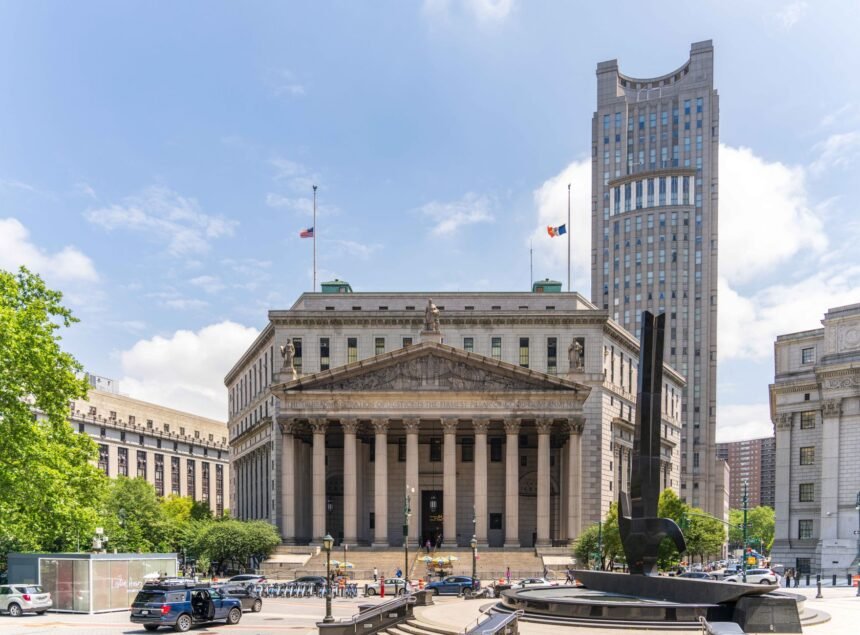
Supreme Court’s Clarification on FIR Withdrawal
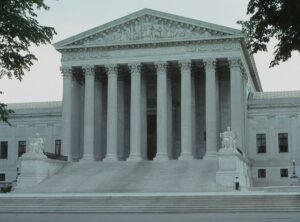
The Supreme Court of India has clarified that state governments, including that of Delhi, have the discretion to withdraw First Information Reports (FIRs) against individuals involved in the recent student protests. These protests were organized by the Cockroach Janata Party (CJP) at Delhi’s Jantar Mantar and other locations. The court, led by Chief Justice of India Surya Kant and Justices Joymalya Bagchi and V Mohana, revisited its previous order from July 28, which permitted the prosecution of protestors with criminal records. Today, the court specified that ‘criminal antecedents’ refer to individuals with serious and heinous offenses.
Clarification on Criminal Antecedents
“The order from July 28 is clarified: the NCT of Delhi and other states can close or withdraw FIRs against protestors. ‘Criminal antecedents’ should be understood as grave and heinous offenses,” stated the court. This clarification came in response to concerns that minor infractions, such as driving offenses or participation in prior protests, were being used to prolong cases against protestors.
Investigating Police Excesses
Previously, the court acknowledged allegations of police excesses during the protests, suggesting the need for a fair, independent investigation. The court considered forming a high-powered committee to look into these incidents. The Union government and the Delhi Police were given a chance to present their accounts, with other states involved in the violence also invited to contribute. Notices were issued to the chief secretaries of several states, including Delhi, Maharashtra, Bihar, Kerala, Madhya Pradesh, and Uttar Pradesh.
Special Investigation Team or Retired Judge Committee
The bench is contemplating the establishment of a Special Investigation Team (SIT) of police officers or a committee led by a retired judge to investigate the allegations of police misconduct. “We are considering two options: an SIT or a committee headed by a retired judge,” remarked the bench.
Use of Pellet Guns
The petitioners drew attention to the use of pellet guns during the protests. The court expressed its intention to establish a comprehensive protocol on the use of such weapons. “We aim to lay down complete guidelines on when and how pellet guns can be employed,” stated the bench. The court has scheduled further deliberations for August 18, awaiting responses from various states before issuing any orders.

Background of the Protests
The court is addressing petitions that call for pan-India guidelines to ensure peaceful protests. These petitions came after allegations of excessive force by police on protestors at Jantar Mantar and in Bihar. The demonstrations, which began in June, were initiated by the CJP due to repeated question paper leaks, demanding the resignation of Union Education Minister Dharmendra Pradhan. The protests gained traction when climate activist Sonam Wangchuk joined, eventually ending his 26-day hunger strike at a hospital.
Police Action and Legal Proceedings
During the protests, the police resorted to baton charges, teargas, and pellet guns to disperse protestors marching to the Parliament. The resignation of Minister Pradhan on July 25 led to the cessation of protests. Similar unrest and police responses were observed in Bihar, where a police officer was seen using an AK-47 against protestors.
Legal Arguments and Proceedings
When the court reconvened, Solicitor General Tushar Mehta, representing Delhi Police, suggested that FIRs could be withdrawn except for those with serious criminal records. Senior Advocates, including AM Singhvi and Gopal Sankaranarayanan, called for clarity on the term ‘criminal antecedents’ and suggested quashing minor cases against protestors.
More Read
The court indicated that its earlier protection would only apply to individuals with significant criminal backgrounds. The petitioners also raised concerns about surveillance at protest sites and the use of pellet guns. The Supreme Court will continue to explore these issues in the upcoming hearing.